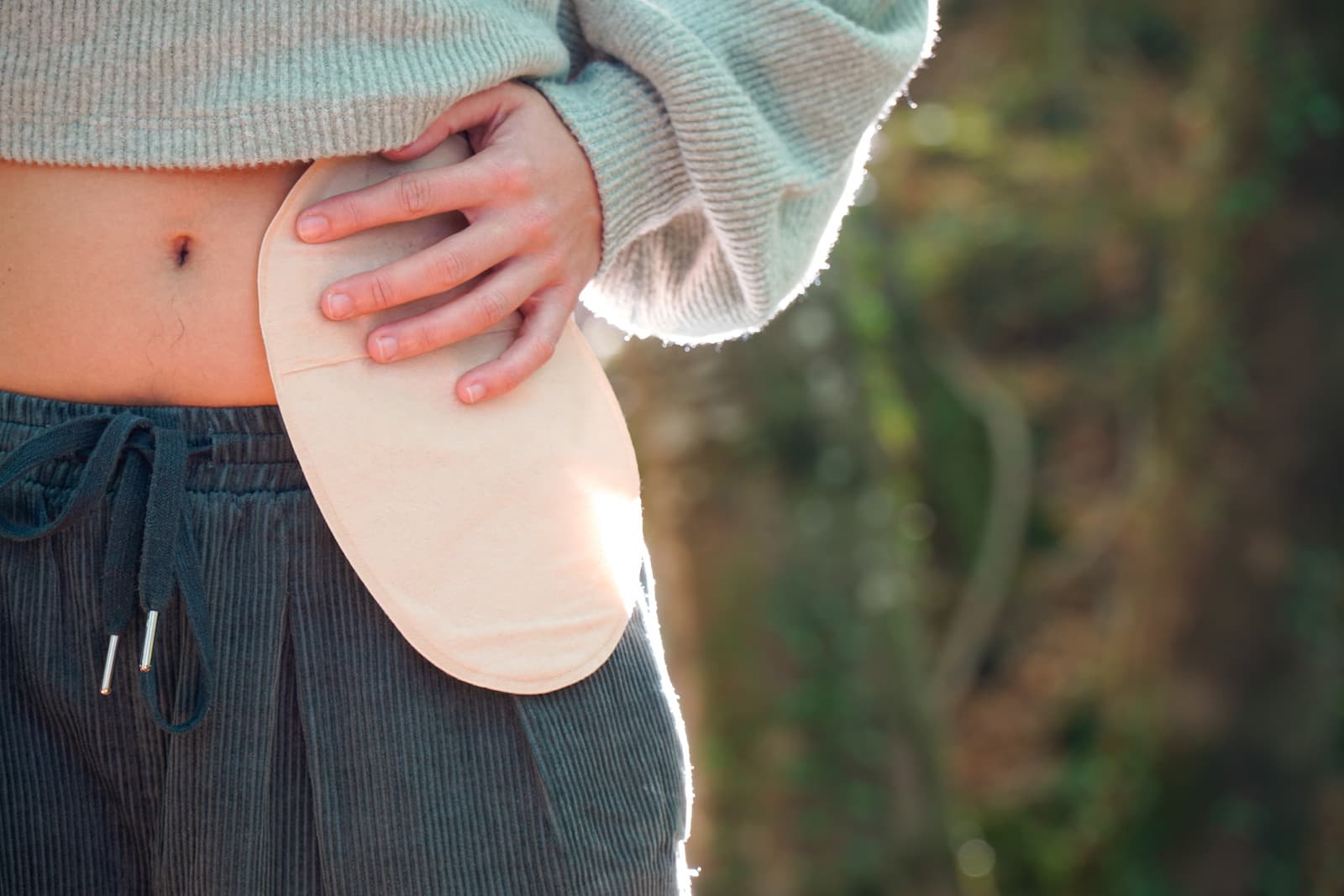
Stomach cramps are a common and often distressing experience for people living with an ileostomy. The discomfort can go from mild pulling sensations to highly intense, cramping pain. But why do ileostomy stomach cramps occur so often — and when are they harmless, and when are they a warning sign? In this article, you will find the most common causes, learn about the warning signs, and get practical tips on what to do when ileostomy cramping occurs.
What is an ileostomy?
Before we go any further, let’s understand what an ileostomy is in the first place. An ileostomy is a surgically created opening where the end of the small bowel (ileum) is brought through the abdominal wall to the outside of the body. Output from the bowel is collected in an ostomy bag.
Some reasons for having an ileostomy are:
Crohn's disease
ulcerative colitis
bowel cancer
severe bowel damage
After surgery, the body needs time to adjust. That’s why stomach cramps can be more frequent during this process.
Why are ileostomy stomach cramps so common?
As already mentioned, with an ileostomy, the small bowel is redirected directly through the abdominal wall. The large bowel, which normally draws out fluid and thickens stool, is either bypassed or removed.
This has several effects:
output is more liquid and passes through the bowel more quickly
the bowel reacts more sensitively to food
there is no 'buffer' for hard-to-digest foods
blockages can develop more easily than in people without a stoma
And as a result, intestinal cramping, bloating and stoma blockages can happen, and these often present themselves as stomach or abdominal cramps. Now, let’s have a look at some other causes.
Common causes of stomach cramps with an ileostomy
1. Stoma blockage or bowel obstruction
Again, a stoma blockage in the small bowel is one of the most common and important causes of severe cramping in the stomach with an ileostomy.
If you suspect a stoma blockage, seek medical help immediately.
2. Foods that are hard to digest or cause intolerance
Speaking of food, the small bowel becomes more sensitive to certain foods after an ileostomy.
Common triggers of intolerance are:
cabbage, onions and pulses
very fatty or heavily spiced food
large portion sizes
eating too quickly
Tip:Introduce new foods gradually and make sure to chew thoroughly. If you'd like to learn about eating with a stoma in general, feel free to check out this guide.
3. Infections or inflammation
Another culprit of stomach cramps with an ileostomy include gastrointestinal infections or inflammation.
Possible causes of infections or inflammation are:
viral or bacterial infections
inflammation of the small bowel
pouchitis (in people with an ileal pouch): an inflammation of the surgically created ileal pouch, which is formed after removal of the large bowel and rectum (e.g. in ulcerative colitis) to allow bowel continence
These are often accompanied by fever, diarrhoea or a (significantly) increased stoma output.
4. Vitamin B12 deficiency
It is often overlooked that a vitamin B12 deficiency can also cause abdominal pain and cramping, as B12 is more commonly associated with fatigue or nerve problems.
Vitamin B12 is important for the nerves throughout the digestive tract. When levels are low, these nerves may not transmit signals correctly, which can cause the bowel to contract more rapidly or irregularly. This results in cramping pain, a feeling of pressure or a sense of fullness.
Other signs of a vitamin B12 deficiency may include:
persistent fatigue
difficulty concentrating
tingling or numbness in the hands or feet
bloating or nausea
If abdominal pain occurs without a clear cause, a vitamin B12 deficiency is worth investigating with your doctor. A simple blood test can quickly give you some clarity.
Are your stomach cramps harmless or serious? Warning signs you should know
Your ileostomy stomach cramps are usually harmless if you experience:
mild cramps after eating
a brief pulling sensation that passes on its own
improvement with warmth or gentle movement
Warning signs, and please take these seriously:
persistent or worsening pain
no stoma output for several hours (6–8 hours)
severe bloating
nausea or vomiting
fever and/or chills
stoma turns blue, pale or becomes significantly swollen
If you experience any of these symptoms, always seek medical attention.
What helps with mild ileostomy stomach cramps?
For mild discomfort, the following may help:
drink plenty of fluids (water, herbal tea, electrolyte drinks)
gentle movement, such as a short walk
warmth (a hot water bottle or warm bath)
gentle abdominal massage
lying on your side with your knees drawn up
If there is no improvement or the pain worsens, contact your doctor or go to hospital.
How to prevent ileostomy stomach cramps
There are some preventative measures that you can take against stomach cramps with an ileostomy:
eat slowly and chew thoroughly
choose smaller portion sizes
introduce new foods one at a time
drink enough fluids throughout the day
have regular check-ups with your doctor or stoma care nurse
pay attention to any changes in your stoma
Key takeaways on stomach cramps with an ileostomy
Stomach cramps are common with an ileostomy, but they are not always a cause for concern. What matters most here is understanding the cause properly and taking warning signs seriously.
With a suitable stoma diet, awareness of your body and timely medical advice when needed, many symptoms can be reduced or prevented altogether.
FAQ: Ileostomy & stomach cramps
What causes stomach cramps with an ileostomy?
Ileostomy stomach cramps can have a number of causes. The most common causes include a partial or full stoma blockage, foods that are difficult to digest, gastrointestinal infections or inflammation, and (less commonly), a vitamin B12 deficiency. Because the large bowel is bypassed, the small bowel is more sensitive to food and more prone to cramping. If cramps are severe, persistent or accompanied by a lack of stoma output, always seek medical advice.
What are the signs of an ileostomy blockage?
The typical signs of an ileostomy blockage include severe, cramping abdominal pain, a swollen or distended stomach, significantly reduced or no stoma output, and nausea or vomiting. If you notice these signs, do not wait and seek medical help as soon as possible. A blockage that is not treated can become a serious medical situation.
How long after an ileostomy can I drive?
Most people are advised not to drive for around four to six weeks after an ileostomy operation, or until they are no longer taking prescription pain medication and can perform an emergency stop comfortably. Your surgical team will give you specific guidance based on your recovery. Always follow the advice of your healthcare professional before returning to driving.
Why does my stoma hurt when I am active?
Some discomfort or pulling around the stoma during physical activity is relatively common, especially in the weeks after surgery when the area is still healing. It can also occur if the ostomy appliance does not fit well, if there is an internal stoma hernia developing, or if physical activity is increasing output rapidly. If you experience persistent or sharp pain around your stoma during activity, it is worth discussing this with your stoma care nurse or doctor to rule out any underlying cause.
Most ostomates will run into at least one stoma problem at some point, it's part of the journey. However, most issues have a cause, and most causes have a solution. This guide covers the most common stoma bag problems, with a closer look at peristomal skin care, what to watch for, and when to reach out for support.
Healthy skin around your stoma is essential to your comfort, confidence, and everyday wellbeing. The right stoma skincare routine, however, prevents pain, protects your baseplate seal, and gives you the freedom to focus on what matters most: living your life fully. This guide covers everything you need to know about maintaining healthy, comfortable skin, whether you're newly adjusting to life with a stoma or improving your current routine.