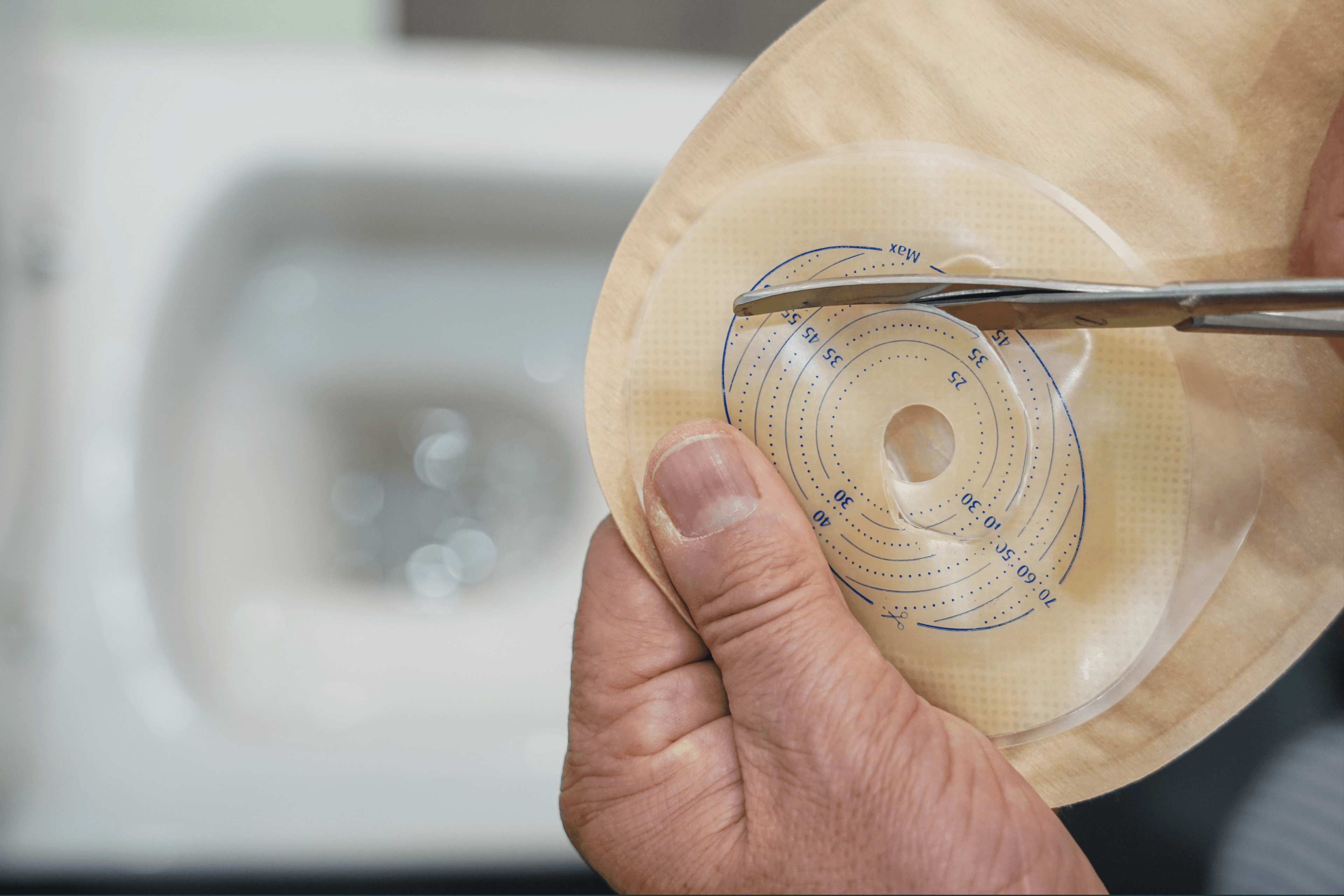
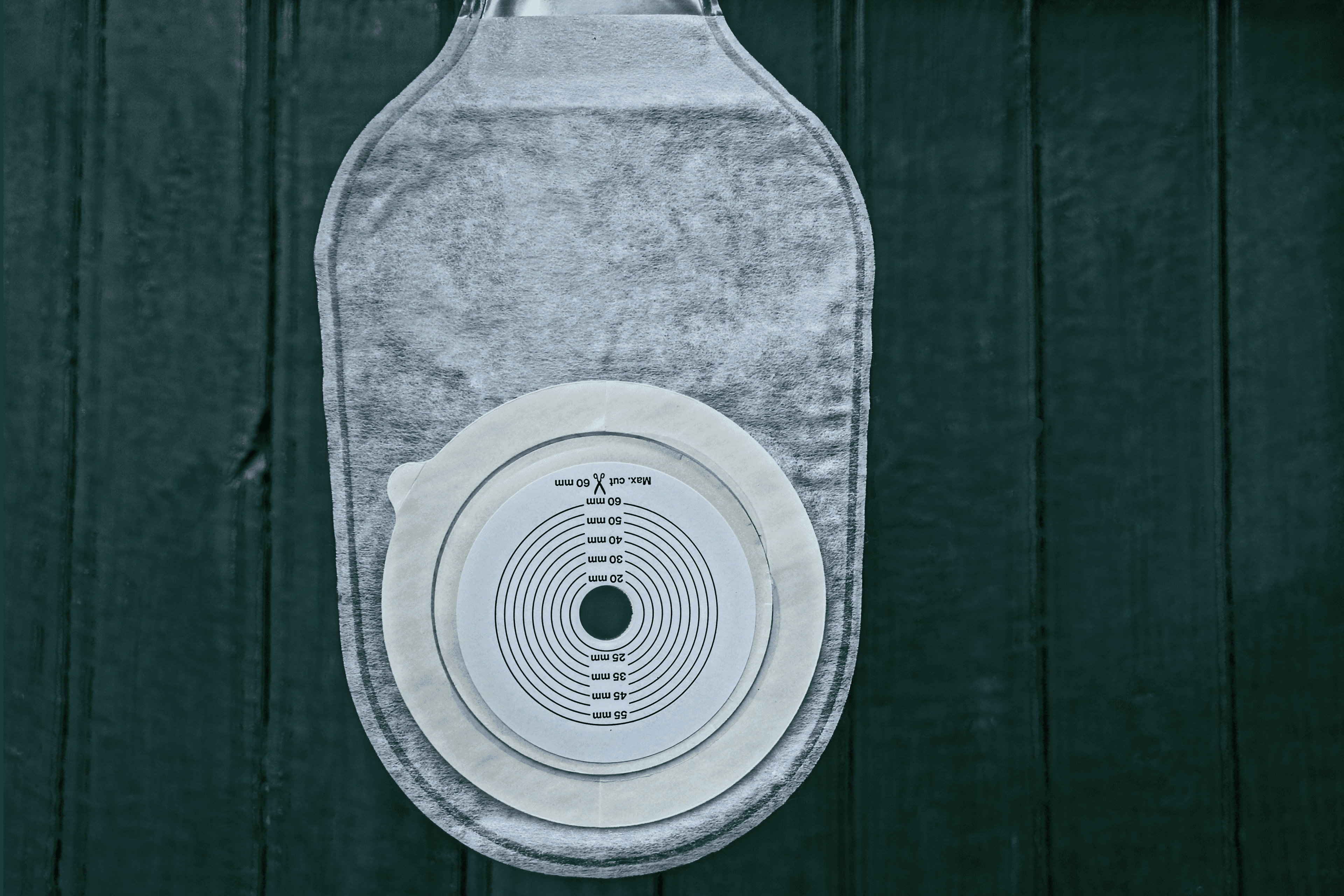
A colostomy changes many things at first glance, but it doesn't have to change your quality of life. In this guide, you'll learn what types of colostomies exist, when they're necessary, how to manage your nutrition and care for your stoma, plus practical tips for staying active and enjoying life.
Sally Wright has worked as a Stoma Care Nurse for over 15 years, providing specialist care, education, and support to individuals recovering from stoma surgery within the community. Sally recognises that every patient’s recovery journey is unique, and she has a particular interest in the psychological aspects of adapting to life with a stoma. Her previous role as a Dermatology Sister highlighted the importance of emotional wellbeing whilst coming to terms with changes to our bodies and the impact on self esteem.
When is a colostomy necessary?
A colostomy is created when the lower colon or rectum is damaged, diseased, or needs time to heal. This can happen for various reasons:
Bowel cancer or anal cancer
Chronic inflammatory bowel diseases like Crohn's disease or ulcerative colitis
Diverticulitis
Traumatic injuries
Faecal incontinence
Congenital abnormalities
Types of colostomies
End colostomy
End colostomy is the most common form. It's created when the rectum, anal sphincter, or lower colon needs to be removed, often due to certain cancers or severe inflammation. The stoma is usually located in your lower left abdomen and is permanent.
Since most of your colon remains, your stool consistency usually doesn't change much. What does change: you lose voluntary control over when waste is eliminated. Your body now manages this in its own way.
Temporary colostomy (Loop colostomy)
A loop colostomy is temporary. Part of your colon is brought to the surface to protect and give a damaged section time to heal. This creates two stoma openings: one for active emptying and one for relief.
What's unique about this type is that it can be reversed. Once your bowel has healed sufficiently, the ends are sewn back together and relocated inside your abdomen, and your bowel functions normally again.
Challenges after surgery
A colostomy changes your life, there's no getting around that. For most people, this change brings strong emotions: both positive and negative. Some experience pain relief and a new quality of life. Others initially struggle to accept their changed body. Both responses are completely normal.
Remember that you'll still live a full and active life with a stoma. Your body isn't less valuable or less beautiful. It's a normal process to adjust to the change, and counselling or support groups can help you process your feelings and rebuild your confidence.
Nutrition and colostomy
Food is more than just nutrition, it affects our mood and wellbeing. Your stoma shouldn't prevent you from enjoying your favourite meals.
Most people return to eating normally relatively quickly. What your body tolerated before surgery, it will usually tolerate afterwards. That said, everyone responds differently to different foods.
The key is avoiding constipation and watching out for foods that cause bloating or unpleasant odours. This sounds restrictive, but it's not. Anything that tastes good and your body tolerates is allowed. Simply listen to your body.
Practical nutrition tips:
Eat a balanced diet and favour easily digestible foods
Drink about 2 to 2.5 litres of fluid daily
Prepare food in low-fat, gentle ways
Take your time with meals and drinks: chew thoroughly and sip drinks slowly
Eat several small meals throughout the day at regular intervals
Stay physically active
Maintain a stable weight, as significant changes can shift your stoma's position
Physical activity and sport with colostomy
Exercise is important, even with a stoma. After an appropriate recovery period (rest immediately after surgery), you can do almost any sport that feels comfortable for you.
Tips for staying active with a colostomy:
Wear an ostomy belt or supportive clothing: this gives you security and reduces stoma hernia risk
Start slowly and build up gradually
Stay well-hydrated
Discuss extreme sports like contact sports or heavy lifting with your doctor
Stoma care and hygiene with a colostomy
A decent stoma skin care is absolutely essential, which is why it's also crucial that you understand what causes skin problems, which products work best for you, and how to care for your skin properly.
How to care for your stoma properly:
Clean your stoma and surrounding skin gently with warm water
Avoid perfumed soaps, lotions, and creams as these irritate your skin
Pat your skin gently dry after washing
If your skin is already irritated, special skin barrier lotions can help
Unscented wipes are useful when you're out and about, but only in emergencies
If you have ongoing skin problems, talk to your stoma care nurse.
Try Unora
The right products make all the difference. Our ostomy pouches and accessories are specifically designed to give you security and comfort in daily life. Explore our full range of ostomy products and accessories.
Key takeaways on colostomy
Managing a colostomy can be emotionally and psychologically challenging. You're not alone. Talking with your stoma care nurse, family, or supportive people can make a real difference in how you adapt. There are many support groups and resources available to help.
Learn more about recovery after ostomy surgery in our detailed guide.
FAQ: Colostomy
What is a colostomy?
A colostomy is a surgical procedure that creates an opening (stoma) in your abdominal wall to bring your colon to the surface. This becomes necessary when your lower colon or rectum needs to be removed or is damaged. After surgery, waste passes directly through your stoma into a special pouch.
When do you need a colostomy?
A colostomy is created when your lower colon or rectum is diseased or damaged and can no longer function properly. This might be necessary for:
Bowel cancer or anal cancer requiring removal of the affected area
Chronic inflammatory bowel diseases like Crohn's disease or ulcerative colitis that can't be treated otherwise
Diverticulitis or other infections
Traumatic bowel injuries
Faecal incontinence when conservative treatments don't help
Congenital abnormalities
Your doctor will discuss with you whether and when a colostomy makes sense for your situation.
What happens to your rectum when you have a colostomy?
When you have a colostomy, natural bowel movements are replaced by drainage through your stoma, your rectum no longer has a function. Depending on how much of your colon was removed, there may occasionally be minor discharge, but this is usually minimal and harmless.
With a temporary colostomy, your rectum can regain its normal function when the stoma is reversed. With an end colostomy, your rectum won't have a bowel function long-term.
How often do you have bowel movements with a colostomy?
This is very individual and depends on several factors:
How much colon remains: The more colon that stays intact, the firmer and less frequent your bowel movements are usually
Your diet: Fibre, fluid intake, and certain foods influence frequency
Your metabolism: Everyone's body is different
People with a colostomy usually have one to three bowel movements daily, some only every other day. This is completely normal. Over time, you'll learn your body's patterns and adapt naturally.
Many people also discover they have some control over timing, for example, by allowing time after meals. What applies to you is individual. Your stoma care nurse can help you better understand your personal patterns.
A urostomy changes many things at first glance, but it doesn't have to change your quality of life. In this guide, you'll learn everything important: how the surgery works, what types of urostomies exist, how to care for your stoma and manage everyday challenges; plus practical tips for staying active and feeling your best.
An ileostomy is a surgical procedure where the small intestine is brought to the surface of your abdomen. The result is a stoma: an opening in your abdominal wall through which waste passes into a special pouch. In this guide, you'll learn how the surgery works, the different types of ileostomies, how to manage your nutrition and stoma care, plus practical tips for staying active with an ostomy.
Choosing your first stoma appliance can feel overwhelming, especially with so many pouching systems, sizes, and accessories to consider. There's no single "perfect" bag — the right one depends on your stoma, body, and lifestyle, and finding it often takes some trial and adjustment. This guide covers the basics to help you feel more prepared.