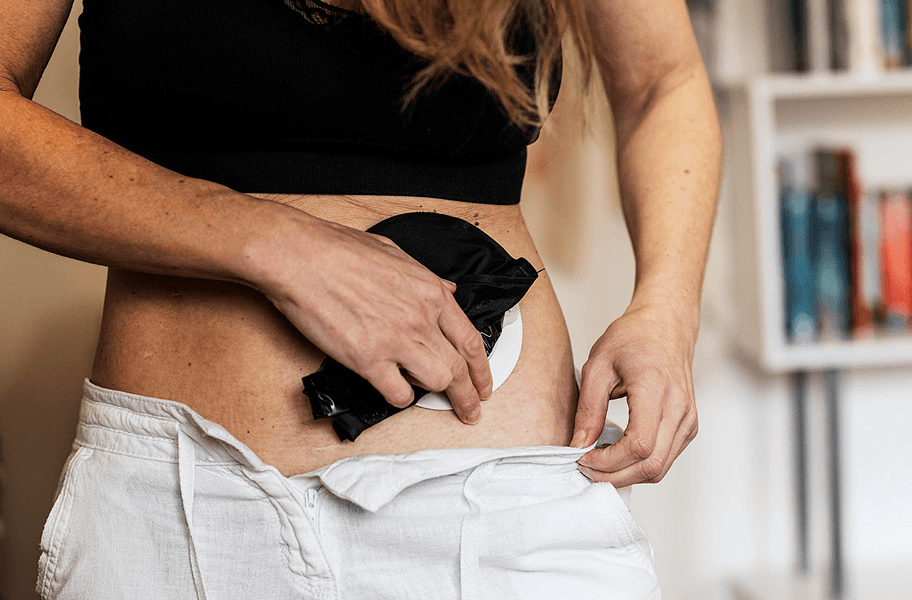
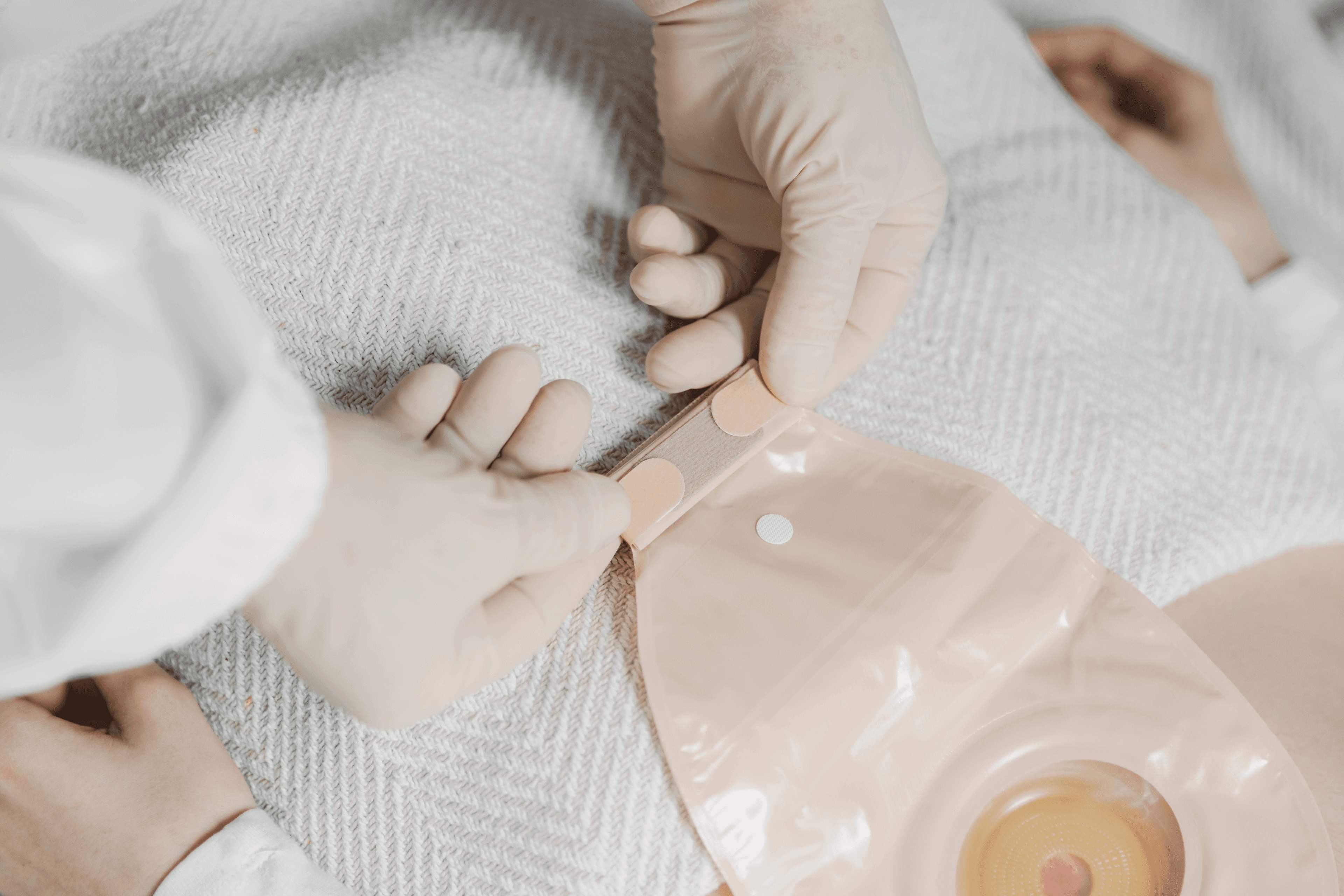
Healthy skin around your stoma is essential to your comfort, confidence, and everyday wellbeing. The right stoma skincare routine, however, prevents pain, protects your baseplate seal, and gives you the freedom to focus on what matters most: living your life fully. This guide covers everything you need to know about maintaining healthy, comfortable skin, whether you're newly adjusting to life with a stoma or improving your current routine.
Skin 101: The basics
Your skin goes far more than just your body's outer layer. It's your largest organ and does countless important jobs, usually without you even thinking about it.
Skin for protection
First and foremost, skin protects you from cold, heat, germs, and harmful environmental damage. At the same time, it's an incredibly sensitive sense organ. You’re able feel touch, temperature, and pain through millions of nerve endings.
Skin also reflects your health
Often times, your skin shows how you're really doing. Stress, poor sleep, diet changes, or hormonal shifts all leave visible marks. This can all be detected through skin changes and may even signal deeper health imbalances.
How is our skin structured?
Our skin protects us from the outside world and is selectively permeable. Under a microscope, you can see three layers: the epidermis, dermis, and subcutis:
The epidermis (outer layer): This is your protective barrier against germs, damage, and drying out. Its outermost part, the stratum corneum, continuously renews itself. The epidermis also contains pigment cells responsible for your skin colour.
The dermis (middle layer):This is where your skin does its functional work. It contains blood vessels, nerves, sweat glands, oil glands, and hair follicles. The dermis feeds the epidermis with nutrients and provides elasticity through collagen fibres.
The subcutis (deepest layer):Mostly made of fatty tissue, this layer stores energy, provides you with cushioning, and keeps you warm. Larger blood vessels run through here as well.
Your stoma and peristomal skin
What is a stoma?
If you landed on this article, chances are high that you already know what a stoma is. Still worth mentioning, a stoma is a surgically created opening in your abdominal wall through which your bowel or urinary system is diverted to the outside. The stoma itself is round or oval, red, moist, and feels similar to the inside of your mouth.
The stoma itself has no pain-sensing nerves and normally doesn't hurt when you touch it or care for it. The skin around your stoma, however, is sensitive as it's constantly in contact with pouch materials and moisture. This is why careful, gentle skin care is so important; but more on that below.
Why does peristomal skin need special care?
The skin around your stoma has its own unique issues:
Your pouch adheres permanently to the skin
Moisture can build up underneath
Stool or urine can irritate your skin if they leak under the pouch
Each pouch change puts mechanical stress on your skin as the barrier plate is removed
Stoma output has a different pH level than your natural skin, which makes peristomal skin more prone to irritation, inflammation, and damage
That's why a consistent and gentle stoma skin care is non-negotiable.
Healthy vs. irritated skin: What should you look out for?
What does healthy peristomal skin look like?
Healthy peristomal skin should look like the rest of your belly skin. Right after you remove your pouch, it might look slightly pink or red; but this should fade quickly.
Overall, peristomal skin should be dry, intact, and free from persistent redness, rashes, swelling, or open sores.
Signs your parastomal skin needs attention
Check your skin thoroughly every time you change your pouch. Early problems are much easier to treat than advanced ones.
Watch especially for:
Persistent redness
Burning or itching
Rashes or small pustules
Weeping or oozing
Swelling
Skin cracks or bleeding
White, scaly patches
Unusual smells beyond normal stool odour
The key is catching these symptoms early. Minor irritation is manageable and responsive to treatment. But if you ignore the early signs of an infected stoma, there’s a high chance that they may grow into bigger problems.
How to care for your stoma: Your daily stoma skin care routine
Step 1: Gentle cleaning
Clean your skin every time you change your ostomy bag. Warm water is usually all you need. Use a soft cloth or gauze and clean gently, don't rub.
If you need additional cleaning products, choose ones that are pH-neutral, fragrance-free, and free from oils and moisturising ingredients. Many soaps and creams damage your natural skin barrier and also worsen pouch adhesion.
Most people find that cleaning with water alone causes the least long-term skin stress.
Step 2: Dry thoroughly
Moisture is one of the biggest causes of skin irritation around your stoma. Wetness can build up under your barrier plate, irritate your skin, and ruin pouch adhesion.
Every pouch change is your chance to check in with your skin. Look at the entire area your baseplate covers. Check behind the adhesive you’ve just removed and compare it to how it looked last time. Early detection of sore skin around your stoma makes treatment easier and healing faster. You’re the expert on your own skin, you know what’s normal for you.
Step 3: Check your skin regularly
Inspect the entire skin area under your barrier plate every time you change your pouch. Look for any changes compared to last time.
Skin problems caught early are much faster and easier to fix. Since you know your skin best, you'll often notice changes first. Look especially for redness, weeping, itching, swelling, or sore spots.
Step 4: Give your skin breaks
Whenever you can, give your skin a break from the adhesive. Try for 15-30 minutes between removing one pouch and applying the next: some people like to do this once a week. These short breaks might seem small, but they are indeed impactful. Your skin gets air circulation, moisture can evaporate, and everything settles down. Even brief breathing time may improve your skin health a great deal.
However, this isn't possible for everyone. With a colostomy, a brief break might be manageable between outputs. With an ileostomy or urostomy, continuous output means you usually need your pouch on all the time.
How to treat the irritated skin around your stoma
If your skin is already irritated, find the cause as quickly as possible.
Common causes of peristomal skin irritation
Poor pouch fit:The opening should match your stoma size exactly. Too large and stool leaks onto your skin. Too small and it puts pressure on surrounding tissue.
Check your used pouch:Stool or urine residue on the back is the sign of a stoma leakage, which is a common cause of skin problems.
The way you remove your pouch is also important: Yanking your pouch off quickly or roughly damages skin. Slow removal or using an adhesive remover spray is much gentler.
Sensitivity to new products:Skin can sometimes react to new materials. If your skin gets irritated after changing products, try switching back and ask your stoma nurse for advice.
Immediate steps for sore peristomal skin
When skin is already irritated or sore, simple measures can help you manage it:
In many cases, this simple routine is enough to calm your skin down.
Use ostomy skin protectives if needed
For more serious irritation or repeated leaks, specialized skin protection products can help. These create an extra protective layer between skin and pouch or fill in uneven areas.
Hydrocolloid or silicone barrier plates with alginate
Alginate works best for sensitive or irritated skin. It absorbs excess moisture and supports skin integrity. Overall, it's a better choice than powder alone.
Silicone is ideal if your skin is stressed from repeatedly removing your barrier plate. It protects your skin surface and makes removal easier.
Specific peristomal skin problems
Mucosal separation
The connection between your stoma and the surrounding skin sometimes comes apart. This usually happens in the first 30 days after stoma surgery, especially if healing is affected by diabetes, poor nutrition, or infection.
Although it looks alarming, mucosal separation usually heals well and quickly. Your stoma nurse will help you care for it. Keeping it clean and dry is most important. Stoma paste or powder may help with separation.
Irritated peristomal skin
Skin irritation around your stoma is quite common and has many possible causes. If your skin is red, tender, or even open, small skin damage can develop, and cause pain and discomfort.
Contact your stoma nurse or doctor if irritation persists despite careful skin care. Together you can identify the cause and start appropriate treatment.
Use only medical products designed for stoma care, not regular shop creams or lotions. Commercial products can irritate skin further or damage pouch adhesion.
Common causes of irritated skin:
Poor-fitting pouch
Uneven skin from scars or folds
Excessive sweating or moisture affecting adhesion
Changing your ostomy pouch too frequently, which stresses skin mechanically
Heavy stoma output attacking the barrier material
Existing skin irritation
Contact dermatitis (allergy) to pouch components
First aid for sore skin:
Remeasure your stoma opening to ensure proper pouch fit
Non-irritating stoma paste helps level out uneven areas and improves adhesion
Alginate or silicone pouches can calm irritated skin in suitable cases
For existing skin conditions (psoriasis, eczema), use prescribed creams only with medical advice
Pyoderma Gangraenosum
This rare but treatable skin condition shows as fragile, weeping skin and painful sores or ulcers around your stoma, often with dark borders.
It can develop from skin injuries, pressure or trauma from poor-fitting pouches or surgery. Sometimes it links to inflammatory bowel disease or arthritis, though often the cause remains unclear.
Although treatable, it requires complex therapy with multiple steps. Early medical evaluation is essential to start appropriate treatment and prevent progression.
Fungal infections (Mycosis)
Look for whitish-yellow deposits on skin, small red bumps, or pustules. Usually comes with itching, burning, or pain under your barrier plate.
Causes include moisture under your pouch, damaged skin barrier, wearing your pouch for too long, or poor hygiene.
See your doctor if you suspect a fungal infection. They'll take a swab to confirm. Treatment is usually an antifungal suspension in water base.
Good stoma hygiene and a properly-fitting pouch prevent its comeback.
Bacterial inflammation (Folliculitis)
Small painful pustules around hair follicles suggest bacterial infection. Treat your skin very gently.
Many professionals recommend electric trimmers or careful hair trimming instead of wet shaving. Avoid yanking your pouch off aggressively.
Allergic reactions
Itching and widespread redness across your entire pouch contact area suggests sensitivity to your products.
Stop new products immediately and switch to hypoallergenic alternatives. Your stoma nurse can help you find more suitable options.
Peristomal skin care: When should you seek professional help?
Contact your stoma nurse or doctor if:
Skin irritation persists for several days despite careful care
Your medical team has experience, special products, and treatment options to tackle skin problems effectively.
Key takeaways on stoma skin care
Good stoma skin care might feel unfamiliar at first, but most people find it becomes routine quickly. A careful care routine contributes to comfort, security, and better quality of life long-term.
With consistent, gentle care and the right products, you can keep the skin around your stoma healthy and problem-free for years.
FAQ: Stoma skin care
How do you protect the skin around your stoma?
The best protection is a consistent, gentle care routine. Clean with water and dry carefully. Make sure your barrier plate opening matches your stoma size exactly.
Regular skin checks catch changes early. Skin barrier rings and paste support your pouch and prevent leaks.
Material choice is important: alginate suits sensitive skin, silicone protects against mechanical stress from frequent removal.
Often, just paying more attention during pouch changes makes a real difference.
Which cream is suitable for peristomal skin?
Regular creams and body lotions aren't suitable. Oily or moisturising ingredients damage pouch adhesion and cause leaks.
Water is often enough for daily cleaning. For sensitive or irritated skin, use special stoma care products like barrier rings or protective sprays.
Only use medical creams or topical medications with professional advice as they can affect your pouch.
What foods should you avoid with a stoma?
Diet and skin health connect indirectly. Certain foods change your output consistency or composition, irritating stoma skin more.
Stoma discharge: What’s normal and what’s cause for concern
Mucus discharge from a stoma can feel unexpected or worrying at first, especially after recent surgery. Many people are unsure whether stoma mucus discharge is normal, how much mucus is normal or when changes in discharge should be checked by a doctor. In most cases, mucus discharge from a stoma is completely normal and simply part of how the bowel continues to function after surgery. This guide covers what is expected to help you feel more confident managing your stoma day to day.
Stoma leaks are one of the most common concerns for ostomates, and one of the most frustrating too. There’s no need to worry, though, as stoma leakage problems have a cause, and most causes have a solution. In this guide, we'll cover why leaks happen, how to prevent them, and where to turn when you need support.
Most ostomates will run into at least one stoma problem at some point, it's part of the journey. However, most issues have a cause, and most causes have a solution. This guide covers the most common stoma bag problems, with a closer look at peristomal skin care, what to watch for, and when to reach out for support.