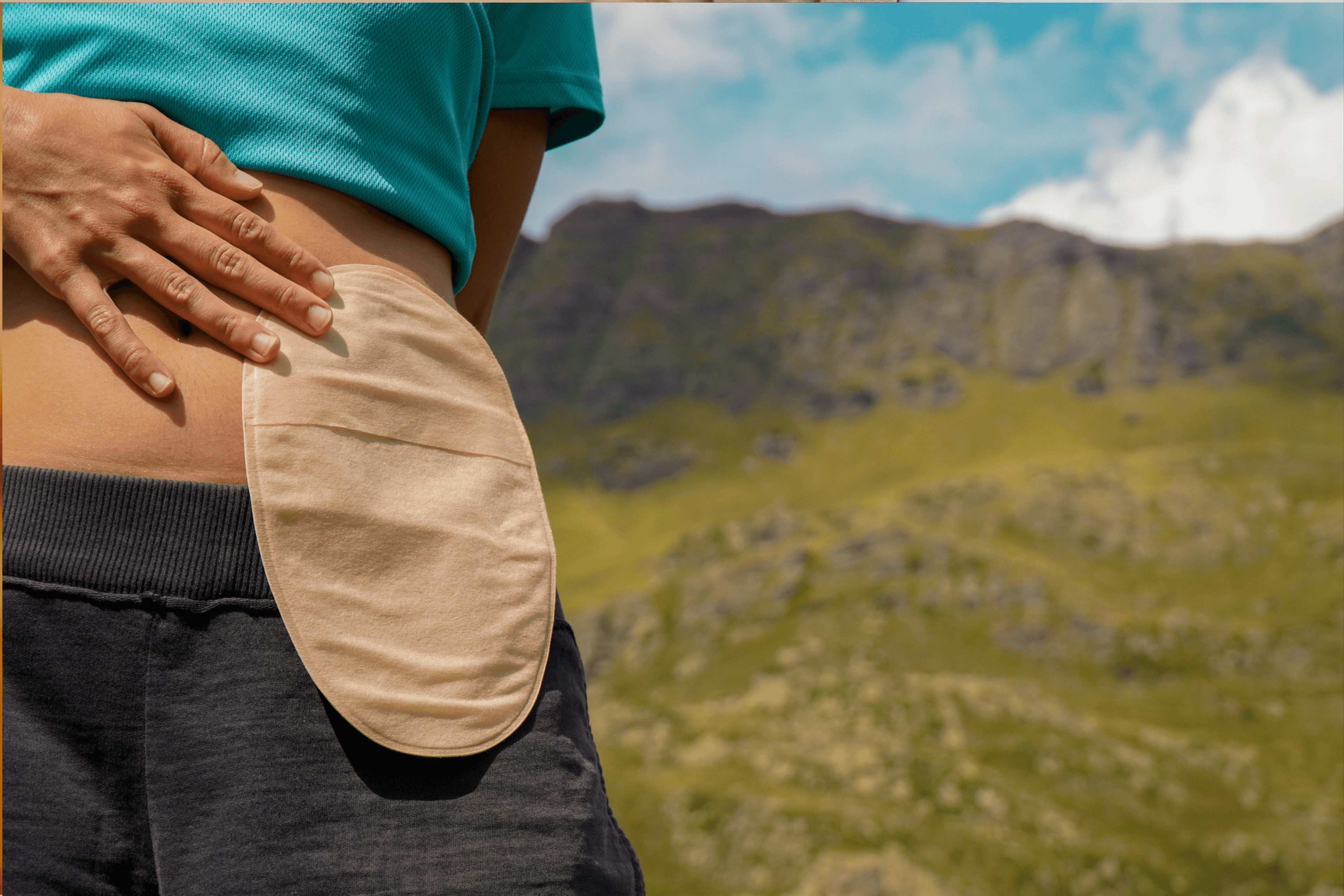
Dating with a stoma: Finding love and feeling confident
Dating with a stoma comes with its own set of questions — when to bring it up, how your partner might react, whether your sex life will still feel like yours. In this guide, we walk through first dates, having the conversation, intimacy, and what it looks like from your partner's side too.
You can absolutely still date with a stoma
You can obviously date with a stoma, and thousands of ostomates do so successfully and happily. A stoma is a medical detail about your body and not a personality trait, and it doesn't disqualify you from connection, intimacy, or a good relationship. If you're feeling anxious about getting back out there (whether you're newly post-surgery or simply out of practice) that's a completely natural response.
Dating with a stoma: First dates
A first date is nerve-wracking for most people even without a stoma to think about, so it's worth choosing something that keeps your own comfort front and centre rather than adding extra pressure. Dining out is the classic first-date choice, and there's no reason it has to be different with a stoma. If you go this route, picking a restaurant you already know well can take some of the guesswork out of the evening. It also helps to stick to foods you already know sit well with your stoma rather than experimenting on the night.
Of course, a meal out isn't the only option. Activities, the cinema, a walk, or simply meeting for coffee all work just as well: the main thing is choosing something you're genuinely comfortable with rather than pushing yourself into a setting that adds stress. Whatever you choose, it's worth being prepared: carry a small supply of what you might need, and know where the nearest toilets are, just as you would on any day out.
When should you tell your date about your stoma?
There's no "right time" to bring up your stoma. The right time is when you feel ready. As a very general guide, once you've been on a few dates, things are going well, and you can see the relationship progressing, that's often a natural moment. What's more important than timing is making sure the conversation happens before things turn physical, so there are no surprises for either of you in the moment.
Some people prefer to mention it earlier, even in an online dating profile or early conversation, and treat it as a kind of filter; the people who respond well are exactly the people worth spending time on. Others prefer to wait until a genuine connection has formed. Neither approach is more "correct" than the other; what matters is that it happens with enough time for you both to feel prepared.
When you do have the conversation, how much detail you share is entirely up to you. A simple, matter-of-fact explanation is often all that's needed: what it is, roughly how long you've had it, and why. Keeping the tone light and confident (instead of treating it as a heavy confession) tends to make the moment easier for both of you. Practising the explanation once, even just to yourself or a friend, can make it feel much less daunting when the real conversation comes.
Sexual relationships with a stoma
It's entirely possible to have a normal, healthy, and enjoyable sex life with a stoma, whether you're with a long-term partner or someone new. A few small preparations can help you feel more at ease: emptying your pouch beforehand removes one obvious source of worry, and a stoma support belt or garment can help keep the pouch secure and out of the way. Beyond the practical side, the real key is the same as in any relationship: open communication with your partner about what feels comfortable, and giving yourselves permission to go at a pace that suits you both.
If you're returning to intimacy after a longer gap, there's no need to rush. Starting with non-sexual closeness (holding hands, cuddling) and building up gradually to more extended touch gives you both room to reconnect without pressure. Every step forward is worth recognising, not just the destination.
Contraception considerations
If you're sexually active with a stoma and don't want to become pregnant, it's worth knowing that stoma surgery can sometimes affect which contraceptive options work well for you. Surgery can alter the anatomy in ways that make diaphragms, IUDs, or coils less straightforward, and for some women with an ileostomy, the contraceptive pill may be less reliably absorbed before it passes through the digestive system. This is a conversation worth having directly with your GP or a sexual health clinic, so you can find an option that suits your particular situation.
Talking to your partner if you already had surgery together
If you were already in a relationship before your stoma surgery, your partner has likely already shared much of the experience with you, so there's usually less of a "reveal" moment to navigate. Even so, it's worth checking in with each other about intimacy specifically — surgery and recovery can shift how either of you feels, and it's easier to talk about openly than to guess. Speaking to your surgeon or a stoma care nurse together, including seeing a pouch change in a clinical setting, can also help take some of the unknown out of it for both of you.
Dating someone with a stoma
If you're the one dating an ostomate rather than living with a stoma yourself, the most useful thing you can bring to the relationship is straightforward: curiosity without pressure, and reassurance that this detail doesn't change how you see them. Let them set the pace for when and how much they want to share. When they do tell you, listening without over-reacting — and without treating it as a bigger deal than they're making it — goes a long way. If questions come up, asking them directly, rather than making assumptions, is usually welcomed.
LGBTQIA+ ostomates
Everything above applies regardless of sexual orientation or gender identity. Dating and intimacy with a stoma raise the same core questions such as timing, communication, comfort, whatever the relationship looks like, and inclusive stoma support communities and organisations increasingly reflect that.
Staying confident
Perhaps the most important thing to hold onto through all of this: your stoma changed your body, but it didn't change who you are. If someone reacts badly once they know, that says something about their capacity for the relationship, not about your worth as a partner. Your stoma has very likely helped save or dramatically improve your life, and anyone who can't hold space for that probably isn't the right person for you anyway. Confidence in how you talk about it tends to be contagious — the more matter-of-fact you are, the easier it becomes for the people you're dating to be matter-of-fact too.
FAQ: Dating with ostomy
Do I have to tell someone I'm dating that I have a stoma?
There's no legal or medical requirement to disclose it, and while fully clothed, no one needs to know. However, once a relationship is heading toward physical intimacy, it's worth having the conversation beforehand so there are no surprises for either of you in the moment.
How do I bring up my stoma with a new partner?
Keep it simple and confident: explain what it is, how long you've had it, and why, without turning it into a heavy or apologetic conversation. Many people find it helps to rehearse the explanation once with themselves or a trusted friend before saying it to a partner for the first time.
Can I have a normal sex life with a stoma?
Yes. Many ostomates have fulfilling, healthy sex lives. Practical steps like emptying your pouch beforehand and using a stoma support belt can ease common worries, and open communication with your partner about comfort and pace matters more than any single technique.
What if my partner reacts badly when I tell them?
It happens occasionally, and it's understandably painful, but a negative reaction is genuinely more about that person than about you. Most people are supportive once they understand the situation, and a poor reaction is often a sign the relationship wasn't going to work regardless of the stoma.
Does having a stoma affect contraception options?
It can. Surgery can affect how well certain methods work — including some IUDs, diaphragms, and, for some people with an ileostomy, the contraceptive pill, due to changes in absorption. It's worth discussing your specific situation with your GP or a sexual health clinic to find the right option for you.
Menopause and life with a stoma are each significant transitions on their own, and when they overlap, the physical and emotional changes can feel harder to untangle. In this guide, we look at how menopause affects stoma care, what you can do to manage the overlap, and when to ask for support.
Yes — you can absolutely run with a stoma, whether that's an occasional jog or training for a marathon. In this guide, we cover when it's safe to start running with a stoma bag, how to gear up, and how to stay comfortable and hydrated on the move.
Odour from a stoma bag: Causes, control and on-the-go tips
Odour is one of the most common worries people raise after stoma surgery — and it's also one of the most manageable. In this guide, we cover why stoma odour happens, practical ways to control it day to day, and how to stay confident with odour from a stoma bag when you're out and about.