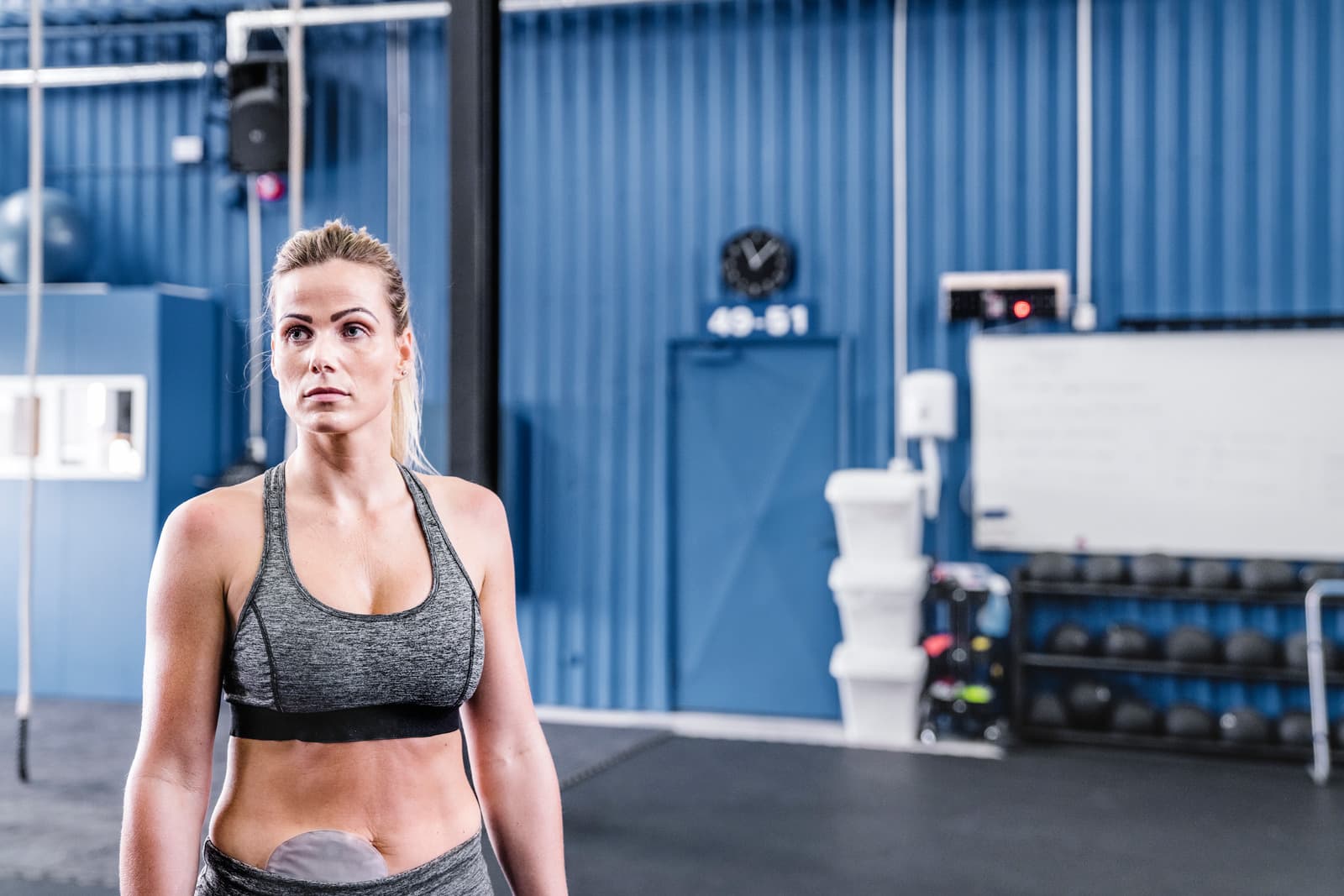
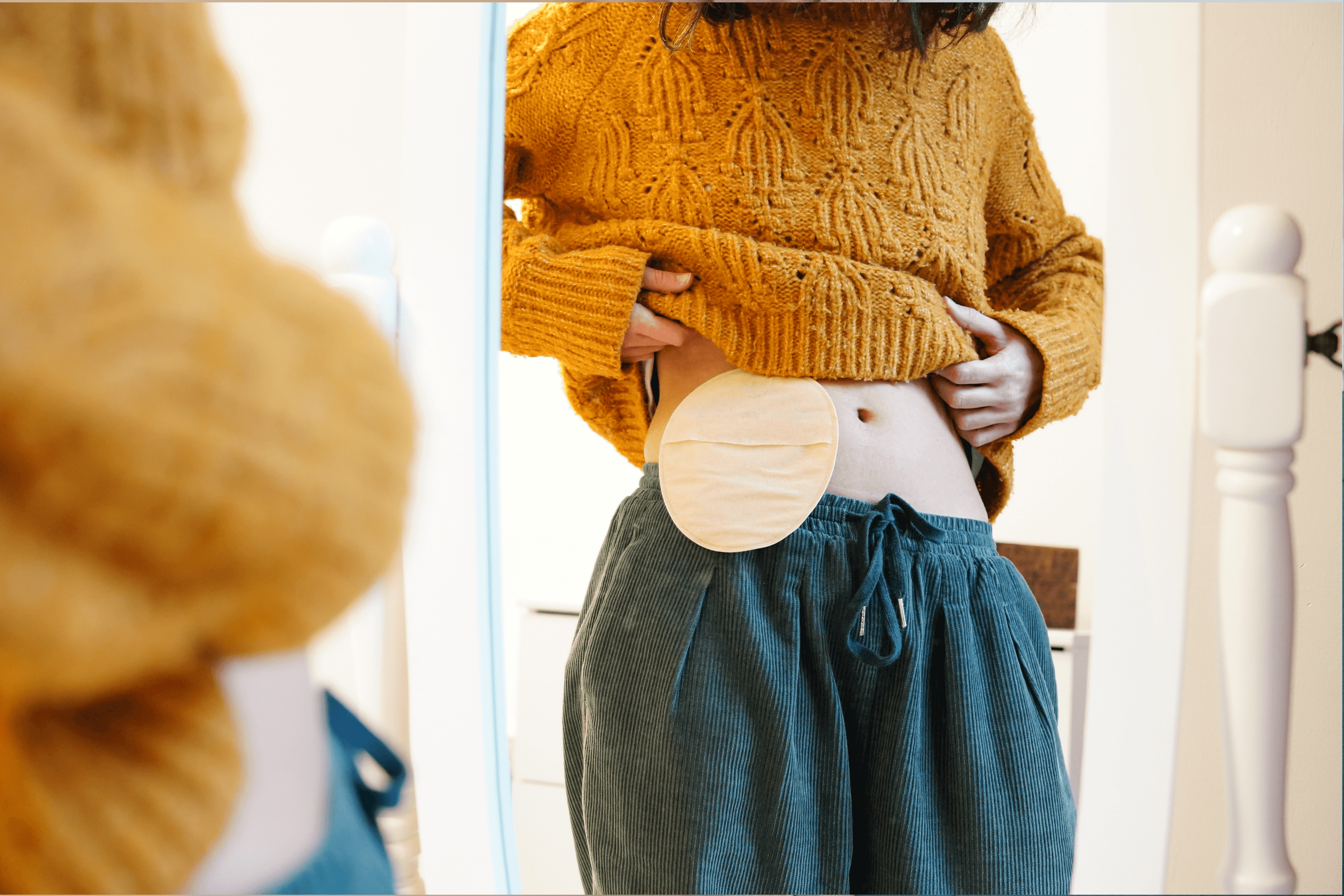
Exercise with a stoma: A guide to staying active and enjoying sport
Living with a stoma doesn't mean putting your active life on hold. In this guide, we'll walk you through everything you need to know about exercising with a stoma safely and confidently, sport by sport.
Can you exercise with a stoma?
Yes! Exercise with a stoma is not only possible, but it's also actively encouraged by most healthcare professionals once you've recovered from surgery. Staying active supports your physical health, helps maintain a healthy weight, strengthens your core muscles, and can do wonders for your overall mental wellbeing and confidence. The key here is timing, preparation, and picking the right approach for your body.
It’s crucial to mention that before starting any new exercise routine, you ought to get the all-clear from your stoma care team or surgeon. Everyone's recovery is different, and your healthcare professional will be able to advise you based on your individual healing progress, the type of stoma you have, and any other health considerations.
Post-stoma surgery exercises: Easing back into movement
Recovery after stoma surgery is gradual, and your exercise routine should reflect that. In the first few weeks, gentle movement such as short walks is usually recommended to encourage circulation and reduce the risk of complications like blood clots. As healing progresses, most people are guided through light stretching and pelvic floor exercises before building up to more structured activity.
It usually takes around six to eight weeks before you can return to more strenuous exercise, especially anything that engages the abdominal muscles, such as sit-ups, heavy lifting, or contact sports. This waiting period allows your abdominal wall to heal properly and reduces the risk of a parastomal hernia, also known as a stoma hernia. Again, always follow the specific timeline given by your surgeon or stoma nurse.
Stoma and exercising: General tips that apply to every sport
Whatever activity you choose, a few core principles will help you exercise with a stoma comfortably and safely.
Support your abdomen. Many people find that wearing a stoma support garment or hernia support belt gives extra reassurance and physical support to the abdominal wall during exercise, especially for higher-impact activities.
Time your bag change. Applying a fresh stoma bag around 30 minutes before exercising gives it time to adhere properly before sweat has a chance to affect the seal. A well-adhered bag is far less likely to lift or leak during activity. Unsure how to change your ostomy pouch? Here’s a guide for you.
Empty your bag beforehand. Exercising with a fuller bag increases the risk of it moving, sagging, or becoming uncomfortable. Emptying it before you start gives you more freedom of movement.
Watch out for pancaking. Tight clothing can sometimes cause pancaking, where output collects around the stoma rather than falling into the bag. Choose activewear that's supportive but not overly restrictive, and look for stoma-specific sportswear if you find this happens on a regular basis.
Keep hydrated. Fluid loss through sweat needs replacing, especially if you have an ileostomy or urostomy, as these stoma types carry a higher risk of dehydration. Sipping water regularly throughout your workout helps maintain healthy output and prevents dehydration.
Carry a small supply kit. A spare bag, wipes, and disposal bags tucked into a gym bag or backpack mean you're prepared if you need to change or empty your bag while out.
Stoma and sports: Guidance for popular activities
Walking and running
Walking is often the first form of exercise reintroduced after surgery, and it remains one of the gentlest, most accessible ways to stay active with a stoma. Running can usually be reintroduced once you've been cleared for more strenuous activity, though many people find it helpful to build up gradually with a run-walk approach. A supportive stoma belt can help keep the bag secure and minimise bounce during runs.
Cycling
Cycling is part of many people's daily routine, whether commuting or riding for pleasure, and there's no reason a stoma should stop you enjoying it. To ease any worries, start with short, familiar routes close to home and know where the nearest toilets are along the way. Cycling with a friend or family member can also help you feel more at ease and keep you motivated, and an exercise bike at home or the gym is a good way to rebuild confidence before heading outdoors.
Sweat can affect how well a stoma bag adheres, so apply your bag at least 30 minutes before setting off. If the bag dangles and touches your leg, the pedalling motion can cause chafing, so a stoma belt or well-fitted cycling shorts can help keep it secure. Be careful not to go too tight, though, as overly restrictive clothing can cause pancaking — cycling shorts should be snug enough to hold the bag in place while still allowing it to fill.
Comfort matters too. It's worth trying a few different saddles and styles of cycling shorts to find what works best for you. Build up your distance and intensity gradually rather than jumping straight into long rides, and once you're covering more ground, carry a small backpack with spare stoma supplies just in case.
Swimming
Swimming is a low-impact, joint-friendly way to exercise with a stoma, and modern stoma bags are designed to be fully waterproof, so there's no need to remove your bag to swim. Many people find a smaller, discreet swim-specific bag or a stoma support belt with pocket helps them feel more secure in a swimsuit. Emptying the bag before getting in the water and choosing swimwear with a supportive, high-waisted cut can also help you feel more confident.
Gym training and weightlifting
Strength training is entirely achievable with a stoma, though heavier lifting should be approached gradually and only once your surgeon has given the go-ahead — usually after the abdominal wall has fully healed. Wearing a hernia support belt during weight training can provide added protection, and it's generally recommended to avoid exercises that place direct, heavy strain on the abdominal muscles until you've built up strength slowly under guidance. Machines and lighter free weights are often a good place to start before progressing to heavier compound lifts.
Yoga and pilates
Yoga and Pilates can be excellent for rebuilding core strength, flexibility, and body confidence after stoma surgery. Many poses can be adapted to avoid excessive pressure on the abdomen. A qualified instructor can help you modify positions where needed. Wearing a supportive garment underneath your workout clothes can also help you feel more secure during inversions or stretches that bring pressure near the stoma site.
Contact sports
Contact sports carry a higher risk of impact to the abdomen, so it's especially important to get specific advice from your stoma care team before returning to activities like football, rugby, or martial arts. Where a return is approved, a rigid or semi-rigid stoma guard worn under a support garment can help protect the stoma site from direct impact.
Dealing with having an ostomy bag during exercise
It's completely natural to feel a little apprehensive about exercising with a stoma bag, especially in the very early days. Building confidence often comes down to preparation: choosing well-fitted, supportive clothing, finding a bag and accessory setup that works for your body and activity, and starting with lower-intensity exercise before progressing. Speaking with your stoma care team, joining a stoma support group, or connecting with others who exercise with a stoma can also make a real difference — hearing how others have adapted their favourite activities is often reassuring in itself. Over time, most people find that exercise becomes second nature again, and worries about the bag stop.
When to stop and seek advice regarding exercising with stoma
Stop exercising and speak to your stoma care team if you experience pain, swelling or bulging around the stoma, unusual changes in output, or persistent leaking that isn't resolved by adjusting your bag or clothing. These can be signs that you need to scale back activity or that something needs checking, such as a parastomal hernia.
Yes, exercise with a stoma is safe and encouraged once you've recovered from surgery and been given the go-ahead by your healthcare professional. Most sports and activities, from walking and swimming to cycling and strength training, can be enjoyed with the right preparation, including supportive clothing, well-timed bag changes, and building up intensity gradually.
Can you sleep on your stomach with a stoma?
Many people can sleep on their stomach with a stoma once they've fully healed, though it's worth checking with your stoma care team first, as this can depend on your surgery and stoma type. Using a soft pillow or cushion to reduce direct pressure on the stoma, and choosing looser nightwear, can help make stomach sleeping more comfortable if it's something you'd like to return to.
Yes — you can absolutely run with a stoma, whether that's an occasional jog or training for a marathon. In this guide, we cover when it's safe to start running with a stoma bag, how to gear up, and how to stay comfortable and hydrated on the move.
There's nothing better than being outdoors in summer. The weather's good, the days are long, and there's proper motivation to actually get outside. So why not use it as a reason to get moving? In this guide, we'll cover what to do right after surgery, how to build your strength back up, and the different ways you can move your body this summer, from walking to swimming to yoga.
Stoma bag leaking in public: How to prevent and handle it
A leaking stoma bag can happen to anyone but knowing how to prepare for it and respond calmly can make all the difference. In this guide, we'll cover how to prevent leaks, what to do if one happens in public, and answer the most common questions about stoma bag leakage.