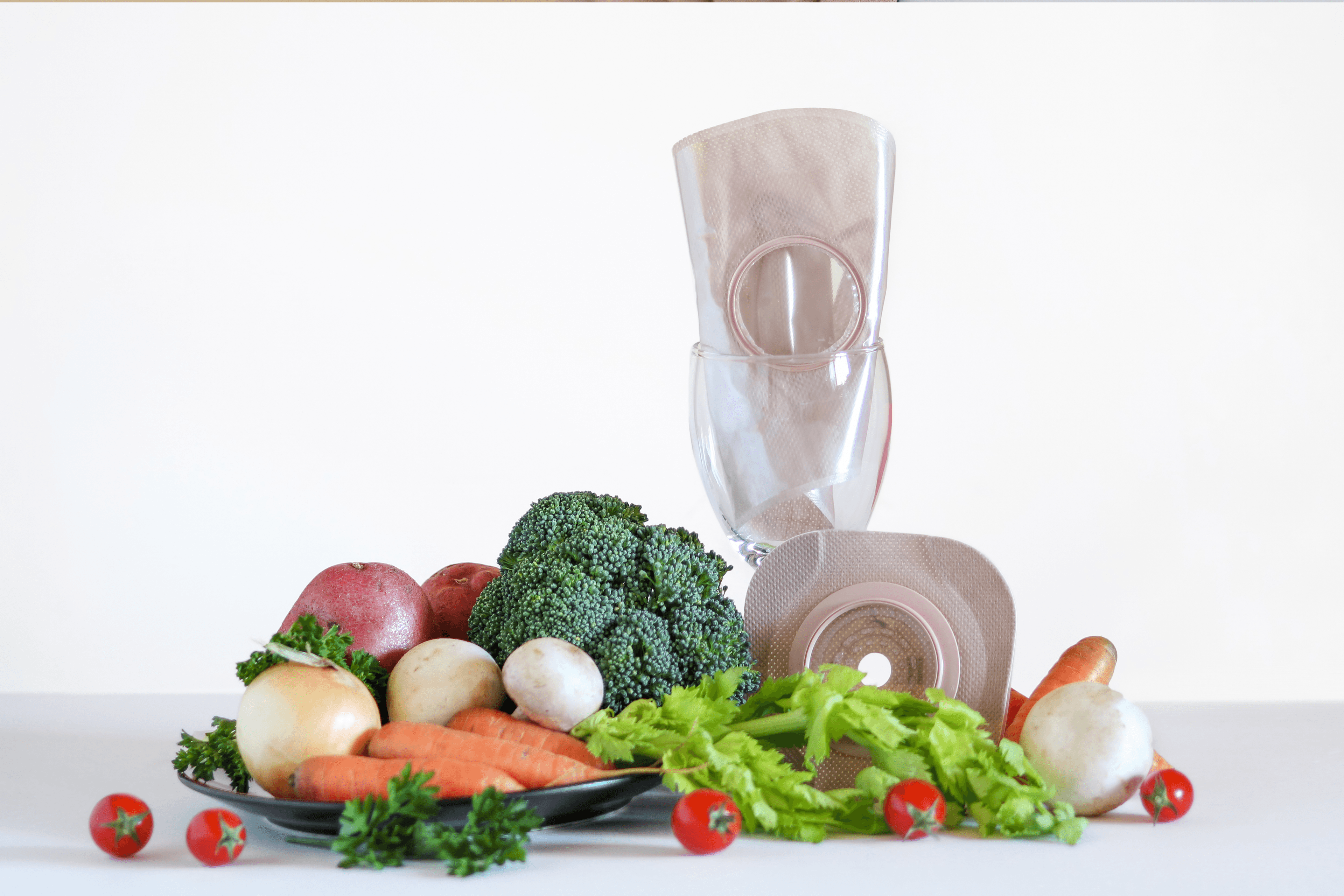
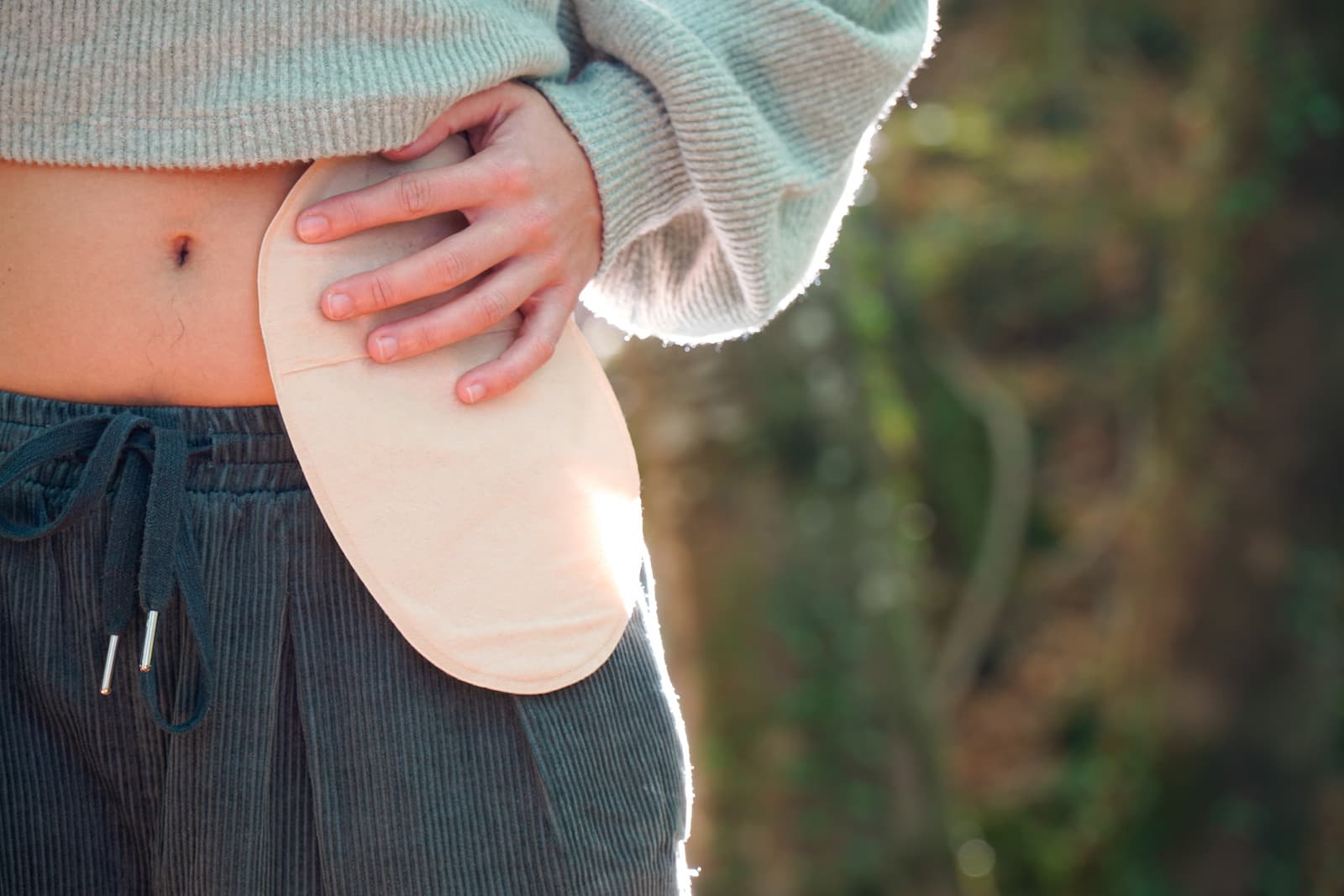
Adjusting to life with a stoma often means rethinking your relationship with food and not because you need to follow a strict diet forever, but because certain foods are more likely to cause blockages, gas, odour, or looser output. The good news is that most of this settles down with time, and very few foods are off-limits permanently. In this guide, we'll walk you through which foods to be cautious with, why they cause problems, and how to reintroduce them safely as your body adjusts.
Why some foods for ostomates cause more trouble than others
In the first few weeks after surgery, your bowel is still healing, and high-fibre or hard-to-digest foods can be harder for it to process. This is why most stoma care teams recommend starting with bland, low-fibre foods and building back up gradually instead of avoiding entire food groups indefinitely. Fibre is an important part of a balanced diet long-term, but introducing it slowly gives your digestive system time to adapt without causing discomfort or blockages.
Foods more likely to cause a stoma blockage
The main concern with certain foods, particularly for people with an ileostomy, is that tough, fibrous, or poorly chewed pieces can get stuck at the stoma opening and cause a blockage. This is more likely with foods like nuts and seeds, dried fruit, popcorn, mushrooms, coconut, celery, and the skins of fruits and vegetables such as apples, grapes, or sweetcorn. It's not that these foods are permanently forbidden, most people can eventually eat them again, but they're worth introducing carefully, in small amounts, and chewed thoroughly, rather than all at once. Peeling fruit and vegetables and cooking them until soft is an easy way to make them gentler on your system while you're still finding your feet.
Foods that may cause gas or odour for ostomates
Some foods are more likely to produce extra gas or a stronger smell when you empty or change your ostomy pouch. Common culprits include onions, garlic, cabbage, broccoli, brussels sprouts, cauliflower, eggs, fish, beans, and carbonated drinks. This doesn't mean you need to cut them out altogether as many people find they can tolerate small amounts just fine, and reactions vary a lot from person to person. If odour is a bigger concern for you than gas, cranberry juice, parsley, and yoghurt containing live cultures are often mentioned as foods that may help offset it, alongside pouch deodorisers or drops designed for this purpose.
Foods that may loosen your stoma output
Alcohol, spicy food, high-fat or fried food, caffeine, and fruit juices (especially prune, grape, and apple juice) are all foods that can loosen output or bring on diarrhoea for some people. If you're finding your output is looser than usual, cutting back on these first is a reasonable place to start while making sure you're not skipping meals, since irregular eating can also play a role.
Foods that may help thicken stoma output
If you're dealing with looser output or diarrhoea, certain foods can help firm things back up. Bananas, white bread, boiled rice, pasta, potatoes without the skin, smooth peanut butter, marshmallows, pretzels, and plain yoghurt are commonly recommended for this. These are also useful to keep in mind generally if you know you have a busier or more active day ahead and want your output to be more manageable.
How to reintroduce foods safely as an ostomate
Rather than avoiding a long list of foods indefinitely, most people do best introducing new foods one at a time, in small amounts, and paying attention to how their body responds over the following day or two. If something causes discomfort, gas, or a change in output, it's worth leaving it out for a few weeks before trying again; reactions can change over time as your digestive system continues to adjust. No two people react to food in exactly the same way, so what causes trouble for someone else may not affect you at all, and vice versa.
Staying hydrated is crucial
Particularly if you have an ileostomy, staying well hydrated is just as important as what you eat. Sipping fluids throughout the day, rather than drinking a lot at once, helps your body absorb what it needs. If you're dealing with looser output, a rehydration solution can help replace lost fluids and electrolytes more effectively than water alone.
When to contact your healthcare provider
Most food-related discomfort settles on its own, but it's worth reaching out to your stoma care nurse or GP if you notice ongoing diarrhoea, signs of a blockage such as cramping with no output, a fever alongside digestive symptoms, or output that doesn't return to normal within a day or two of adjusting your diet.
FAQ: Foods to avoid with a stoma
What foods should I avoid with an ostomy?
There's no single list that applies to everyone, but foods more likely to cause issues include nuts, seeds, dried fruit, popcorn, and fruit or vegetable skins, which can risk a stoma blockage, along with foods like onions, cabbage, and beans, which may cause gas or odour. Most people can eventually eat these again in moderation.
What foods cause a blockage with a stoma?
Fibrous or hard-to-digest foods that aren't chewed thoroughly are the main risk, particularly nuts, seeds, dried fruit, mushrooms, coconut, celery, and the skins of fruits and vegetables. Chewing well, introducing these foods gradually, and cooking vegetables until soft can all help reduce the risk.
What foods help with gas or odour from a stoma?
Cranberry juice, parsley, and live-culture yoghurt are often mentioned as helpful, while cutting back on foods like onions, garlic, eggs, fish, and carbonated drinks can reduce gas and odour for some people, though this varies from person to person.
How soon after stoma surgery can I eat normally?
Most people start with bland, low-fibre foods for the first few weeks while their bowel heals, then reintroduce foods gradually, one at a time, under guidance from their stoma care nurse or dietitian. Full return to a normal diet timeline varies, but most people are eating a wide range of foods again within a couple of months.
Food is one of life's simple pleasures, but figuring out a stoma diet that works for you may feel a bit confusing at first. Most ostomates, however, go on to enjoy a full and varied diet; it just takes a little patience and some trial and error to get there. This guide walks you through everything from the early days after surgery to managing tricky symptoms like loose output for you to eat with confidence.
Most ostomates will run into at least one stoma problem at some point, it's part of the journey. However, most issues have a cause, and most causes have a solution. This guide covers the most common stoma bag problems, with a closer look at peristomal skin care, what to watch for, and when to reach out for support.
A stoma operation brings change — both physically and emotionally. As you begin to adjust, one area that plays an important role in how you feel each day is the skin around your stoma.