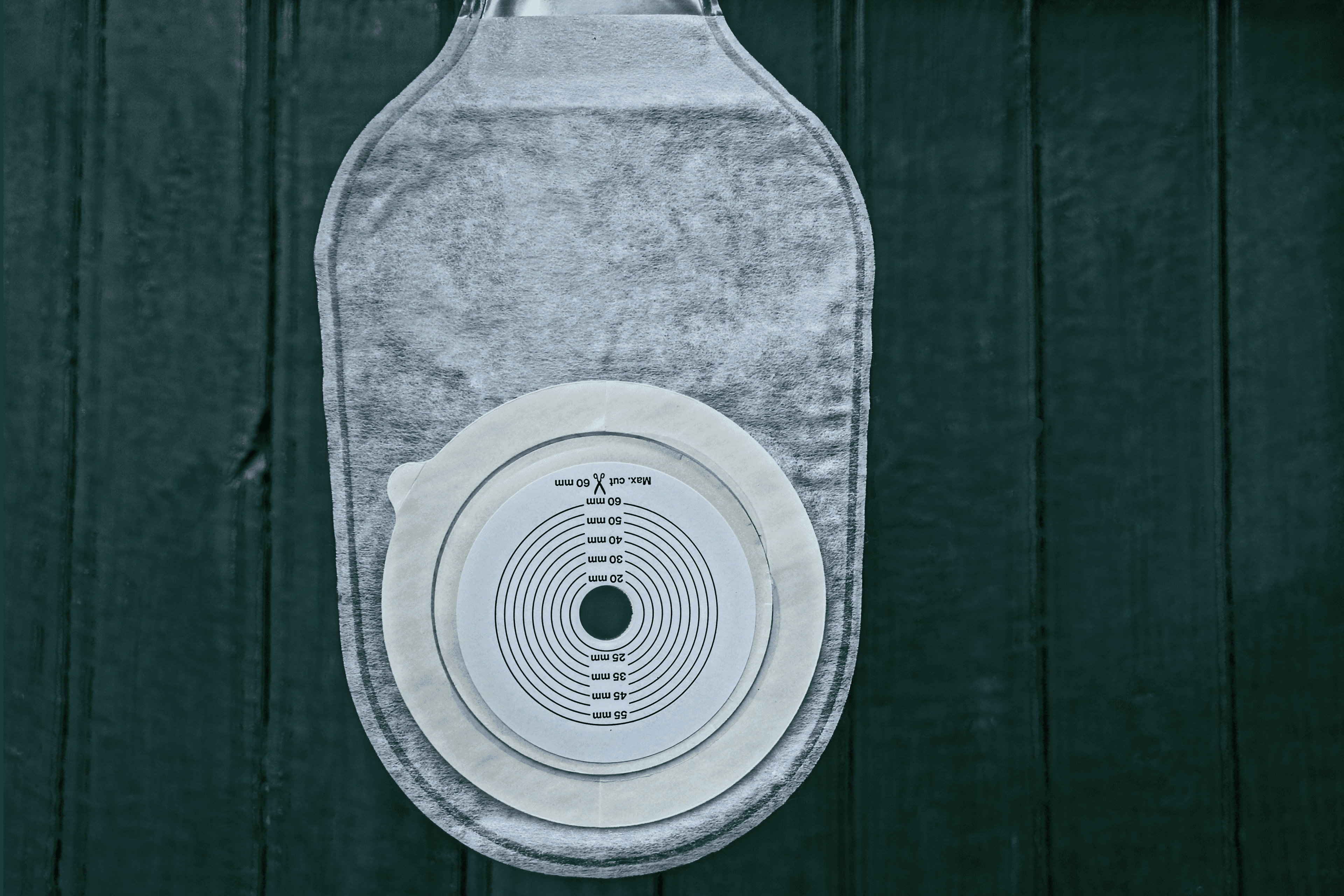
A urostomy changes many things at first glance, but it doesn't have to change your quality of life. In this guide, you'll learn everything important: how the surgery works, what types of urostomies exist, how to care for your stoma and manage everyday challenges; plus practical tips for staying active and feeling your best.
Sally Wright has worked as a Stoma Care Nurse for over 15 years, providing specialist care, education, and support to individuals recovering from stoma surgery within the community. Sally recognises that every patient’s recovery journey is unique, and she has a particular interest in the psychological aspects of adapting to life with a stoma. Her previous role as a Dermatology Sister highlighted the importance of emotional wellbeing whilst coming to terms with changes to our bodies and the impact on self esteem.
When is a urostomy necessary?
A urostomy is created when normal urinary drainage is no longer possible. This can happen due to a number of reasons:
Bladder cancer or other cancers requiring bladder removal
Recurrent urinary tract infections that can't be controlled otherwise
Severe injuries or trauma to the urinary organs
How does the surgery work?
In urostomy surgery, a small piece of the small intestine (usually the ileum) is typically used to create a new urinary drainage route. Your surgeon connects your ureters (the tubes that carry urine from your kidneys) to this piece of bowel and brings the end through your abdominal wall. This creates your stoma: a small, pinkish opening that continuously drains urine.
The exact details of your procedure depend on your individual situation. Some urostomies are performed as open surgery, while others use minimally invasive keyhole surgery (laparoscopy). Your surgeon will discuss which approach is right for you (before the procedure) in a relaxed setting with plenty of time for your questions.
Types of urostomies
Ileal Conduit (Most common)
The ileal conduit is the most widely used form of urostomy. A short piece of small bowel serves as a "channel" to direct urine from your ureters to the outside. Urine flows continuously from the stoma into a special pouch. This form is reliable and straightforward to manage.
Continent urostomy (Pouch)
With this option, an internal reservoir (a sort of pouch) is created from your own bowel tissue to collect urine. Unlike other urostomy forms, urine doesn't flow continuously into an external pouch. Instead, you empty it several times daily using a catheter.
This means more independence in everyday life, but it also requires discipline and a regular catheterisation routine. Whether this is an option for you is very individual and depends on various medical factors. Discuss this openly with your surgeon.
Neobladder
A neobladder is an artificially created reservoir made from bowel tissue that functions like a natural bladder. Urine can be emptied through natural contractions or by using your abdominal muscles. This is a more complex procedure and is only performed in specific cases.
The first weeks after surgery
Adjusting to a urostomy is both an emotional and physical challenge. Some people experience relief and discover a new quality of life while others initially struggle to accept the change. Both reactions are completely normal.
Remember that your urostomy doesn't make your body less worthy or less beautiful. The adjustment process takes time. Counselling and support groups can help you process your feelings and rebuild your confidence.
Food and urostomy
A urostomy has less impact on your diet than other stoma types. You don't have to give up your favourite foods. Most people return to their normal diet relatively quickly.
The key is drinking enough fluids and taking care of your urinary health. Certain foods can intensify urine odour, but this varies from person to person.
Practical nutrition tips for urostomy:
Eat a balanced diet and favour easily digestible foods
Drink plenty of fluids daily: at least 2 to 3 litres
Chew thoroughly and take your time with meals
Eat several small meals throughout the day at regular intervals
Prepare food in low-fat, gentle ways
Stay physically active
Maintain a stable weight
Hydration and urinary health
With a urostomy, adequate fluid intake is extremely important. Water helps keep your urinary tract healthy and prevents infections. Continuous urine flow is also an important sign that your urostomy is working properly.
Hydration tips:
Drink at least 2 to 3 litres of fluid daily
Water and unsweetened drinks are ideal
Pay attention to your urine colour: clear urine indicates good hydration
Dark urine can suggest dehydration
Also watch for these signs:
Reduced urine output or absent urine flow
Discolouration or cloudiness of urine
Fever or discomfort
Strong odour development
If you notice changes, contact your doctor.
How to care for your urostomy: Hygiene and maintenance
Caring for your stoma properly is the foundation for long-term comfort and health. The skin around your stoma is especially sensitive and asks for a regular stoma skin care. Since urine flows continuously, it's constantly exposed to moisture and more susceptible to irritation and infection. That's why a consistent, gentle routine that protects your skin and prevents problems is so important.
How to care for your urostomy properly:
Clean your stoma and surrounding skin daily with warm water, gently
Avoid perfumed soaps, lotions, and creams—these irritate your skin
Watch your skin for redness, irritation, or rashes
Empty your pouch before it gets too full to prevent pressure on your stoma
If your skin is already irritated, special skin barrier products can help. If you have ongoing skin problems or signs of infection, talk to your doctor or stoma care specialist.
Sport and physical activities with a urostomy
Exercise is important, even with a urostomy. After an appropriate recovery period (rest immediately after surgery), you can do almost any sport that feels comfortable for you.
Tips for staying active with a urostomy:
Use a stable, well-fitting urostomy pouch
Wear an ostomy belt or supportive clothing during exercising
Start slowly and build up gradually
Stay well-hydrated
Empty your pouch before intense activity
Swimming is possible, use a waterproof pouch or special swim protection
With some preparation, you can enjoy an active life.
Try Unora
The right products make all the difference. Our ostomy pouches and accessories are specifically designed to give you security and comfort in daily life. Explore our full range of urostomy products.
Key takeaways on living with a urostomy
Managing a urostomy can be emotionally challenging. You're not alone. Talking with your stoma care nurse, family, or supportive people can make a real difference. There are many support groups and resources available to help you adapt to your new situation.
FAQ: Urostomy
What is a urostomy?
A urostomy is a surgical procedure that reroutes your urinary system so urine drains through an artificially created opening (stoma) in your abdominal wall. This becomes necessary when your bladder has been removed, no longer functions, or needs to be bypassed for medical reasons. After surgery, urine flows continuously and involuntarily from your stoma directly into a special pouch.
What's the difference between a urostomy and a colostomy?
Although both are stoma types, they're fundamentally different:
Colostomy: A colostomy diverts stool (not urine) through your abdominal wall. Part of your colon forms the stoma. The stool consistency is usually firmer, and the elimination pattern is often more predictable than with other stoma types.
Urostomy: A urostomy diverts urine through a newly created stoma. A short piece of small bowel is used, through which urine flows continuously and involuntarily: directly into a pouch, bypassing the bladder entirely.
Both require special pouches and daily care, but the medical requirements and everyday challenges are different.
What is urostomy surgery?
Urostomy surgery is a surgical procedure where surgeons reroute your natural urinary system and create a new drainage pathway. A short piece of small bowel is typically removed and connected to your ureters, creating a "channel" for urine. The other end of this piece of bowel is brought through your abdominal wall to form your stoma.
The operation can be performed differently depending on which type of urostomy is created (ileal conduit, continent reservoir, or neobladder). Your surgeon will discuss the details with you before surgery.
How does a urostomy work in daily life?
A urostomy works continuously: urine flows constantly from your stoma, like a leaky tap. You therefore need to wear a special urostomy pouch at all times to collect the urine.
An ileostomy is a surgical procedure where the small intestine is brought to the surface of your abdomen. The result is a stoma: an opening in your abdominal wall through which waste passes into a special pouch. In this guide, you'll learn how the surgery works, the different types of ileostomies, how to manage your nutrition and stoma care, plus practical tips for staying active with an ostomy.
A colostomy changes many things at first glance, but it doesn't have to change your quality of life. In this guide, you'll learn what types of colostomies exist, when they're necessary, how to manage your nutrition and care for your stoma, plus practical tips for staying active and enjoying life.
Choosing your first stoma appliance can feel overwhelming, especially with so many pouching systems, sizes, and accessories to consider. There's no single "perfect" bag — the right one depends on your stoma, body, and lifestyle, and finding it often takes some trial and adjustment. This guide covers the basics to help you feel more prepared.