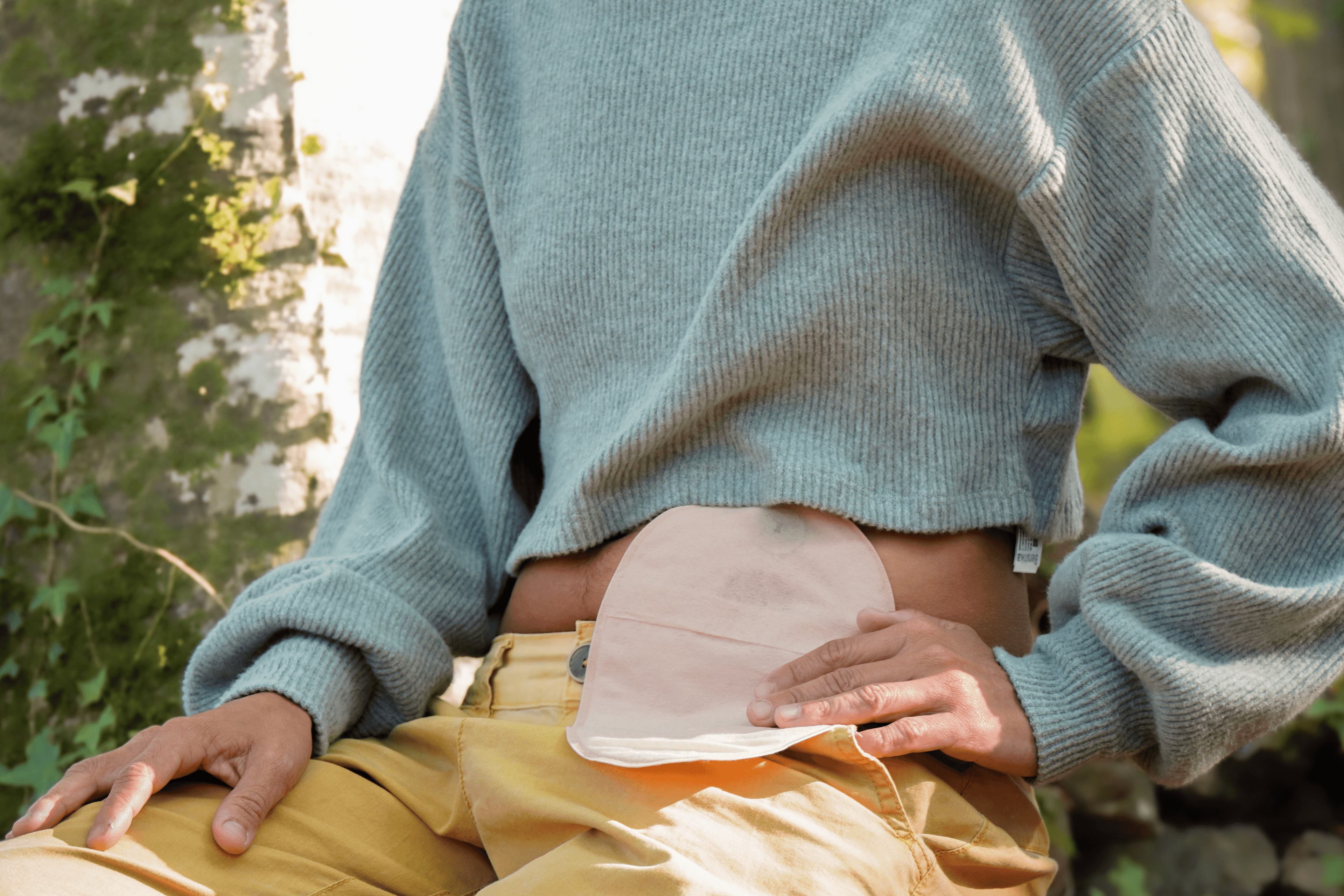
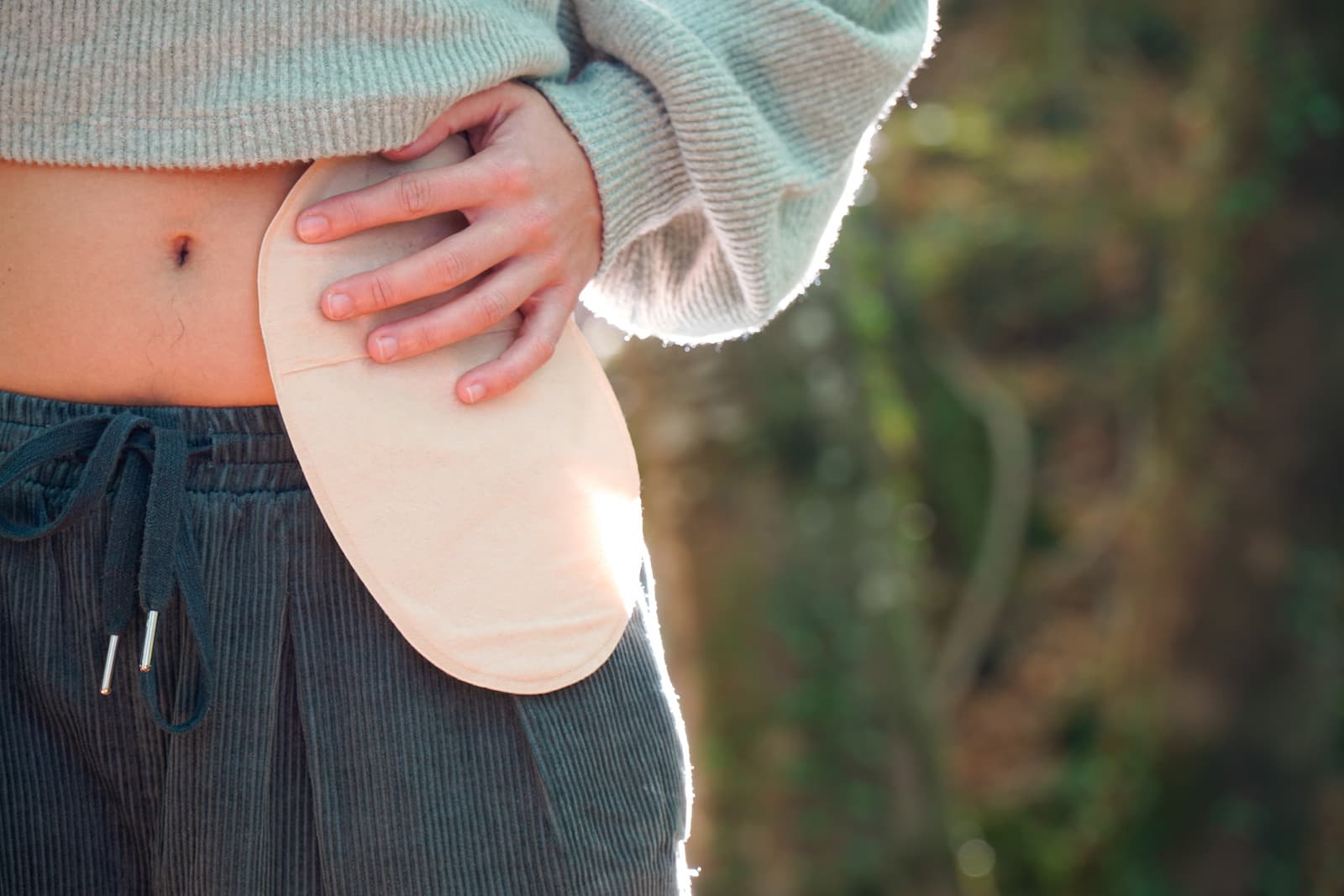
Stoma skin care in summer: Heat, sweat & sun tips
Summer brings longer days, holidays, and time outdoors; but for any ostomate, warmer weather means more things to think about. Heat and humidity mean more sweating, which can affect your seal, irritate your skin, and make stoma leaks more likely. In this guide, we'll walk you through how the heat affects your peristomal skin, how to keep your seal secure, and what to pack for a day at the beach or pool.
The impact of sweat under your baseplate
Good hygiene is your upmost priority for a proper stoma skin care. When changing your ostomy pouch, wash the skin around your stoma with warm water and a soft wipe, avoiding fragranced soaps, oils, or moisturisers, since these interfere with adhesive. Pat the area dry thoroughly afterwards as dry skin holds the adhesive better and lowers the risk of leakage. In summer, you may find you need to clean the area more often, especially after exercise or intense heat.
Choose the right ostomy skin barrier products
Skin barrier products (wipes, sprays, or barrier rings) create a protective layer between your skin and the adhesive, thus easing skin irritation and improving the seal. In hot weather, sweat-resistant options such as the silicone (e.g. Silkura bags) range are worth considering, and a stoma powder can help if your skin tends to get moist, absorbing excess moisture before it causes breakdown. A light, even layer is enough; overusing barrier products can cause build-up and actually reduce how well your adhesive performs. It's also worth keeping these accessories out of direct sun and heat, since high temperatures can affect the products themselves.
How does warm weather affect peristomal skin?
The skin around your stoma, known as peristomal skin, is especially sensitive in summer. Which is why, again, having a decent stoma skin care routine is absolutely essential for a secure seal and for avoiding complications like rashes, infections, or ulceration. In hot weather, sweat and moisture can weaken the skin barrier and interfere with adhesion, and raise the risk of stoma leakages and discomfort. Sometimes adhesive residue can stick to the skin as you remove your appliance; a dry wipe with adhesive remover spray takes care of this gently. Staying ahead of these changes, rather than reacting to them, is the simplest way to protect your stoma skin health through the warmer months.
How to prepare your stoma for a beach or pool day
A freshly applied bag gives you the best adhesion for a day at the beach or pool. A supportive swim wrap or high-waisted swimwear keeps your appliance secure and out of sight. Pack a spare pouch, wipes, and disposal bags in a waterproof bag, avoid sunscreen under the appliance itself, and check your seal and dry the area thoroughly once you're out of the water. A bit of preparation goes a long way toward enjoying the water with confidence.
When should you change your pouch?
Heat shortens how long your appliance holds. Perspiration can break the adhesive down faster than usual, so watch for lifting edges, itching, or a seal that no longer feels secure; these are your cue to change earlier than your normal schedule. A little flexibility with your changing routine over summer goes a long way toward preventing leaks and skin irritation.
Is it safe to apply sun cream near your stoma?
Sun protection is highly important, but sunscreen applied directly under your appliance can interfere with the adhesive and compromise your seal. The safer approach is to apply a gentle, fragrance-free sunscreen around the edges of your flange rather than underneath it and let it absorb fully before you get dressed. Covering the area with clothing or a swim wrap gives another layer of protection, and if any peristomal skin is exposed, use sunscreen sparingly and avoid greasy formulas that could affect adhesion.
What swimwear can boost your confidence?
A stoma doesn't have to mean giving up confidence at the beach or pool. Specialised swimwear (like high-waisted bottoms or one-piece suits with inner pockets) gives you discreet coverage and support, while swim wraps and ostomy bands help keep your pouch secure and less visible. Support belts add stability during water activities or active days out, and darker or patterned fabrics can help conceal your appliance further if that's what you prefer. Between waterproof covers, flange extenders, and the right swimwear, there's plenty of room to find what works for your body and your lifestyle.
Signs of sweat rash or skin breakdown with a stoma
In hot, humid conditions, sweat rash or skin breakdown can develop quickly. Early signs include redness, itching, stinging, or a burning feeling around the stoma, sometimes with small bumps, blistering, or weeping skin. In more severe cases, the skin can become raw, broken, or ulcerated. If your appliance stops sticking well or leaks start happening more often, that's often an early sign of irritation underneath. Keeping an eye on any change in colour, texture, or sensation lets you catch problems early; and if irritation persists or worsens, it's worth checking in with your stoma care nurse.
Tips for maintaining a secure ostomy seal
Always apply your appliance to skin that's clean and completely dry, steering clear of lotions or oily soaps that interfere with adhesion. A flat, convex, or infill seal can help even out uneven skin, and barrier wipes or sprays add extra security. Once applied, press firmly around the flange for 30–60 seconds to help it bond properly, and hold off on strenuous activity right after. Checking your seal regularly, especially after sweating or swimming, means you catch any loosening before it becomes a leak.
Waterproofing tips and what to pack in your stoma kit
Waterproof flange extenders help your appliance stay secure in water. Emptying your pouch beforehand and wearing a support band or swim wrap adds further peace of mind, and covering your filter with a filter cover prevents water getting in: Just remember to remove it again once you're done. After swimming, pat the area dry and check your seal.
For your stoma kit, pack extra pre-cut pouches, adhesive remover wipes, skin barrier wipes, stoma powder, scissors if needed, and disposal bags, along with a change of clothes, a clean towel, and a waterproof bag for anything wet. Being prepared means one less thing to think about on the day.
Cooling techniques (without harsh sprays or powders)
Staying cool helps limit sweating and protects your skin. Lightweight, breathable fabrics like cotton or moisture-wicking materials reduce heat build-up, while a handheld fan or cooling towel can help on hot days: just avoid direct contact with the stoma area itself. Shaded spots, air-conditioned breaks, and plenty of water (especially important if you have an ileostomy) all help your body regulate its temperature. Ice packs shouldn't go directly on the stoma or appliance, but sweat-resistant barrier products and a slightly more frequent changing schedule can make a real difference if sweat is affecting your seal.
FAQ: Peristomal skin care in summer
What can I put on my skin around my stoma?
A gentle, fragrance-free skin barrier product (e.g. wipes, sprays, or rings) is usually the best choice for the skin around your stoma. These sit between your skin and the adhesive, easing irritation and helping your appliance stay secure. Avoid lotions, oils, or fragranced soaps near the area, as these interfere with adhesion.
What skincare mistakes should I avoid in summer?
The most common mistakes are applying your appliance to skin that isn't fully dry, using fragranced or oily products near the stoma, over-layering barrier products, and applying sunscreen directly under the appliance. Sticking to your usual changing schedule even when sweating more than usual is another common slip, so it's often worth changing a little earlier in hot weather.
Does hot weather affect a stoma?
Yes. Heat and humidity increase sweating, which can weaken your skin barrier, reduce how well your adhesive holds, and shorten how long your appliance lasts before needing a change. It doesn't affect the stoma itself, but it does make peristomal skin care more important during the warmer months.
What skincare to use during summer?
Sweat-resistant barrier products, such as silicone-based wipes or sprays, and a stoma powder for excess moisture are especially useful in summer. Fragrance-free sunscreen applied around (not under) your flange, along with breathable clothing, rounds out a solid summer routine.