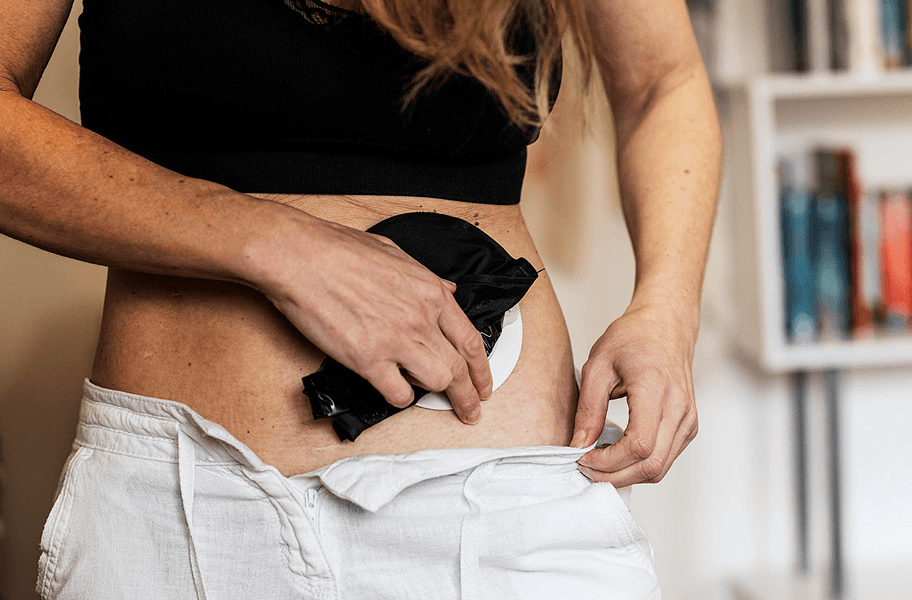
High output can be a worrying and disruptive part of life with a stoma but understanding what's happening and knowing when to act can make it much easier to manage. In this guide, you'll learn what counts as high output and how it's measured, the common causes after stoma surgery, and the signs of dehydration and electrolyte imbalance to watch for.
Sally Wright has worked as a Stoma Care Nurse for over 15 years, providing specialist care, education, and support to individuals recovering from stoma surgery within the community. Sally recognises that every patient’s recovery journey is unique, and she has a particular interest in the psychological aspects of adapting to life with a stoma. Her previous role as a Dermatology Sister highlighted the importance of emotional wellbeing whilst coming to terms with changes to our bodies and on self esteem.
Causes of high output with a stoma
Many ostomates go through short bouts of increased output at some point. This can happen for a few reasons:
Your body adjusting in the early days after a newly formed stoma
Disease or damage affecting the small intestine
Certain medications
Infections, such as a stomach bug
Partial stoma blockages, which can sometimes cause temporary overflow-type output before things slow down
For most people, this settles down on its own over time. In the meantime, though, high output can stop your body from properly absorbing fluids and electrolytes which is where the real risk lies. Left unmanaged, this can leave you feeling thirsty, weak, dizzy, or sick, and can bring on headaches.
As a general guide, output over 1 litre in 24 hours is considered high. That said, everyone's baseline is different, so if you have any concerns, always check in with your healthcare professional or stoma nurse. The same goes for any sudden change from your usual routine; even if it doesn't hit that 1 litre mark, a noticeable shift is worth paying attention to.
Nutritional measures to manage high-output stoma
What to drink against high output stoma
Flat isotonic drinks (ones high in both salt and sugar) are recommended over plain water. The reason is because the sodium and glucose combination encourages fluid to be absorbed through your gut wall instead of passing straight through and out into your stoma bag. This means you actually retain more of what you drink instead of losing it.
Plain water on its own isn't as effective here, since it doesn't carry the same electrolytes that help pull fluid into your system. In fact, drinking too much plain water during a high output period can sometimes make things worse rather than better.
If you don't have isotonic drinks on hand, you can make your own. This is known as St Mark's Solution.
Flavour with a small amount of squash or cordial, if you like
It's worth sipping this steadily throughout the day instead of drinking a large amount in one go, since your gut absorbs smaller, frequent amounts more effectively. As always, consult your healthcare professional before you try this recipe.
What to eat during high stoma output
During a high output ostomy period, foods that naturally "thicken" your output can help make a difference:
Bread, potatoes, rice, and other starchy foods
Jelly sweets like the gelatine content helps slow and thicken output
Foods like smooth peanut butter, bananas, and pasta can also help
It's generally best to go easy on very high-fibre foods, caffeine, and alcohol during this time, since they can all increase output further.
Keep track of your stoma output
If you're going through a high output period, it can help to:
Measure your output over 24 hours so you know where you stand against the 1-litre guide
Keep a simple diary of what you eat and drink alongside your output levels
Watch for early signs of dehydration (thirst, dizziness, dry mouth, headache, or dark urine) so you can act quickly rather than waiting for things to worsen
When to contact your GP regarding high stoma output
Get in touch with your stoma nurse or GP if:
Your bag is filling up almost every hour. This isn't normal and needs attention
You're showing signs of dehydration that aren't improving despite drinking isotonic fluids
Output stays high for more than a day or two without settling
You feel increasingly weak, dizzy, or unwell
You notice a sudden change in output compared to your usual pattern
FAQ: High output stoma management
What counts as a high output stoma?
As a general rule, output over 1 litre in 24 hours is considered high, though normal output varies from person to person. A sudden change from your own usual pattern is worth mentioning to your stoma nurse, even if it doesn't reach that threshold.
Why do isotonic drinks help more than water with a high output stoma?
Isotonic drinks contain sodium and glucose, which help pull fluid into your gut and body rather than letting it pass straight through into the bag. Plain water doesn't have this effect, and drinking too much of it during high output can sometimes make dehydration worse.
What is St Mark's Solution and how do I make it?
It's a homemade rehydration drink often recommended for high output stomas, made from glucose, salt, and sodium bicarbonate dissolved in water. It's a useful alternative if you don't have shop-bought isotonic drinks available. However, always consult to your health professional first before you try it.
What foods help thicken a high output stoma?
Starchy foods like bread, potatoes, rice, and pasta, along with jelly sweets and smooth peanut butter, can all help slow and thicken output naturally.
Can medication help manage a high output stoma?
Yes, anti-diarrhoeal medications like loperamide are sometimes used to help slow output, and in some cases anti-secretory medication may also be recommended. These should always be discussed with your stoma nurse or GP first.
When should I contact my stoma nurse about high output?
Reach out if your bag is filling almost every hour, if you're showing signs of dehydration that aren't improving, if high output continues for more than a day or two, or if you notice a sudden change from your usual routine.
Stoma nurse insights: Myths and realities about common ostomy concerns
Myths about living with a stoma still cause unnecessary stigma and anxiety; even though modern stoma care allows people to live full, active lives. Sally Wright sees these misconceptions often, and here she sets the record straight.
Choosing your first stoma appliance can feel overwhelming, especially with so many pouching systems, sizes, and accessories to consider. There's no single "perfect" bag — the right one depends on your stoma, body, and lifestyle, and finding it often takes some trial and adjustment. This guide covers the basics to help you feel more prepared.
Stoma prolapse, retraction and stenosis: Early warning signs and clinical management
Stoma prolapse, retraction, and stenosis are common complications that can affect the quality of life for individuals with a stoma. Each condition has its own set of causes, symptoms and ways of managing the complications. Understanding the early warning signs is important for you to maintain comfort and health with a your stoma. Contact with your Stoma Care Nurse who can help address issues swiftly and prevent further complications.