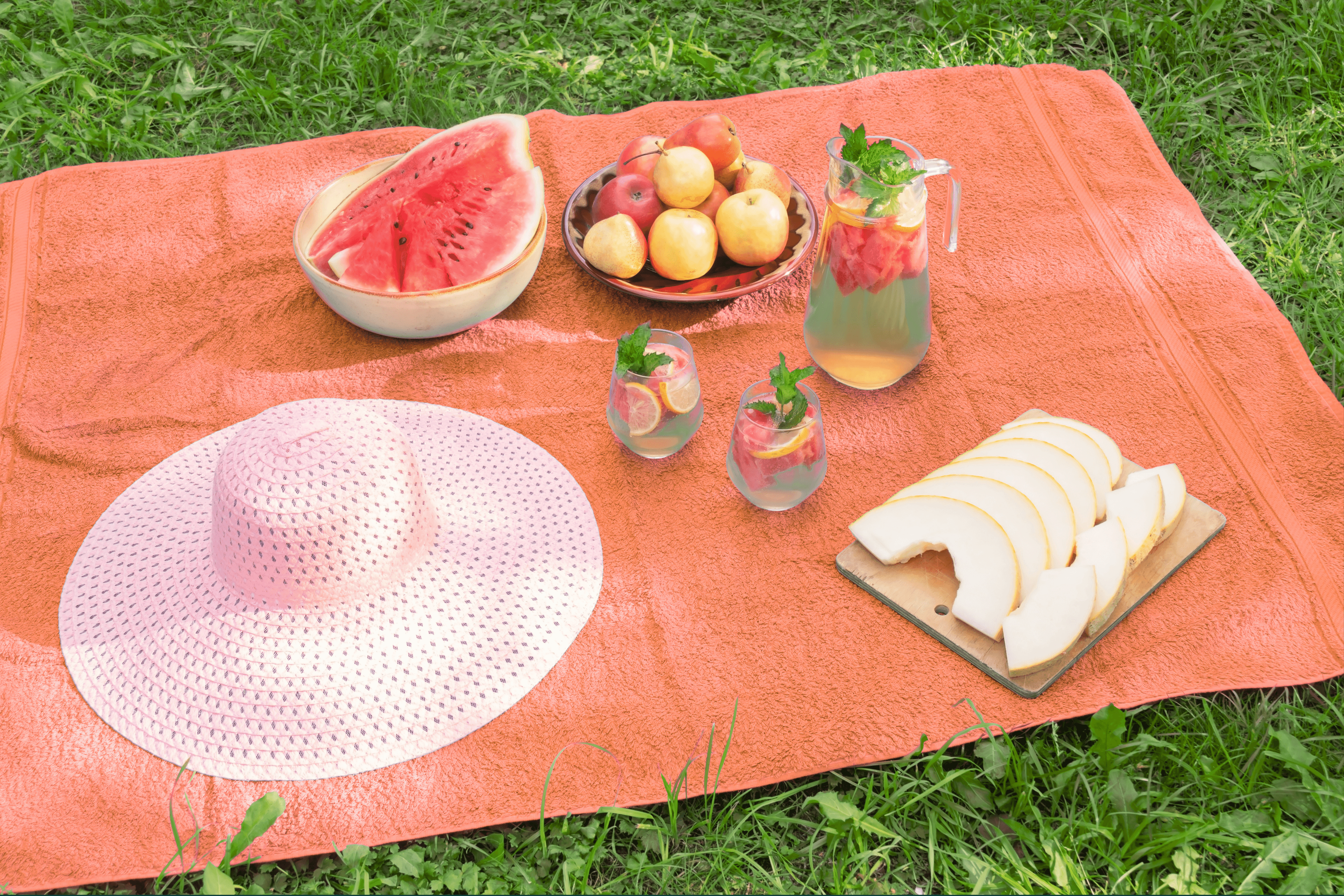
There's nothing better than being outdoors in summer. The weather's good, the days are long, and there's proper motivation to actually get outside. So why not use it as a reason to get moving? In this guide, we'll cover what to do right after surgery, how to build your strength back up, and the different ways you can move your body this summer, from walking to swimming to yoga.
Recovery first, adventure second
Right after stoma surgery, the first few weeks and months can be genuinely difficult. As your body's healing and you're adjusting, rest is extremely important. But gentle movement is also important. Walking helps you regain muscle strength that you lost during recovery.
Once you've got the all-clear from your surgeon or stoma nurse, you're good to start thinking about proper exercise. The most important is that you get their advice before you do anything too adventurous. They'll tell you when you're ready and what to avoid.
In those early weeks post-surgery, avoid heavy lifting. Your abdominal walls have been weakened by surgery (unless it was laparoscopic), and they need time to heal. And once your strength has come back, you should be able to enjoy exercise pretty much like you did before. It just takes patience to get there.
Walking: Your starting point and your ongoing friend
Start with walking regularly. Daily if you can. Walking is low impact, you can do it anywhere, and it builds a foundation for whatever you want to do next.
You can also try walks you haven't done before to explore new routes. Find the beautiful countryside near you. Give yourself permission to just move and be outside.
Walking is also brilliant because it doesn't require special equipment, it's free, and you can do it whenever you want.
Swimming as an ostomate
Swimming is one of the best exercises you can do. It's a proper cardiovascular workout; it tones your muscles and it's low impact on your healing body.
When it comes to leaking, your stoma bag is waterproof. But if that's still in the back of your head, speak to your stoma nurse. They've heard this a thousand times and can give you proper peace of mind.
Gym and indoor exercises as an ostomate
Gyms are brilliant because you get choice. You can try different classes, find what you enjoy, or hire a personal trainer to build a program that actually works for you.
One thing to remember is to avoid abdominal exercises for a while. Your core muscles need time to rebuild. Once you've slowly built them back up, you're fine. But give yourself that time first.
Yoga and pilates for strength building for ostomates
Both yoga and pilates are fantastic for building core strength safely and in a controlled way. Instead of forcing, they help you build strength gradually, with focus and intention.
Chat to your stoma nurse about a support garment. Protecting your abdominal muscles while you're rebuilding them takes some of the worry out of it.
The nice thing about yoga and pilates is that they're also good for your mental health. You're moving, you're breathing, you're in your body in a different way, all of which are important.
Gardening: Movement that doesn't feel like exercise
Gardening is perfect for summer because you can do it whenever you want, and it's more energetic than people realise. Fair warning: you might be properly tired afterward.
Now that garden centres are opening up again and the weather's nice, it's a brilliant time to get into it.
Just be careful with heavy plant pots. Take it slowly. Your body's still healing in some ways, even if you feel fine. Heavy lifting can still affect things.
Sport and adventurous exercises
Whatever sports you played before, you'll probably be able to enjoy them again. It might take some adaptations, and it will definitely take building your strength back up first.
However, don't skip the foundation work to get there. Walking and gentle exercise first. Then you build up. Then you get back to what you love.
General practical tips for exercising with a stoma
Make it regular. You're more likely to stick with exercise if it's something you do regularly, not just occasionally. Pick a time of day and make it part of your routine.
Same time, same place helps.This may sound a bit boring, but it works. As your body gets into a rhythm, your mind knows what to expect. As a result, it becomes part of a healthy lifestyle instead of feeling like a chore.
Stay hydrated. Water is extremely important, especially in summer heat. It affects your output, your energy, your pouch adhesion, everything. Drink water!
Wear comfortable clothes and footwear. This shouldn't be complicated, but people overthink it. Just wear what feels good and lets you move.
Keep spare supplies with you.Keep a little bag in the car or in your gym bag with extra pouches, wipes, disposal bags… whatever you might need. Knowing you've got backup means you can relax and enjoy the exercise instead of worrying about emergencies.
Key takeaways on exercising in summer as an ostomate
Summer's for moving. It's for getting outside, for challenging your body in ways that feel good, for rebuilding the relationship you have with movement and exercise.
Your stoma doesn't get a vote in what you do with your summer. You do.
Start where you are. Be patient with the healing. Build your strength gradually. And then go do the things you love.
FAQ: Exercising with a stoma
What exercises should I avoid with a stoma?
There's no permanent "avoid forever" list. But there are things to be cautious with, especially early on.
Immediately after surgery (first 6-8 weeks), avoid heavy lifting (anything that strains your abdominal muscles), high-impact exercise like running or jumping, contact sports, intense core work, and anything that puts pressure on your incision. Your abdominal muscles have been weakened by surgery and need time to heal. Pushing too hard too soon can cause real problems.
After you've healed (usually 8+ weeks), most things are fine. You can gradually work back to high-impact exercise, contact sports, and everything else: but build up to it. Don't jump straight from walking to running a marathon.
Some people find certain exercises uncomfortable with a stoma (like lying on their stomach), but that's personal. What's uncomfortable for one person is fine for another. You'll figure out what works for your body.
At the end of the day, remember listen to your surgeon and stoma nurse. They know your specific situation, and they listen to your body.
Are you classed as disabled if you have a stoma bag?
This is more complicated than yes or no, and it depends on where you live and what "disabled" means in that context.
In terms of official disability status: It depends on your country's definitions and your specific circumstances. Some people with ostomies are registered as disabled, others aren't. Some are partially disabled. It varies.
Whether you feel you need support, whether you benefit from accommodations (like disabled changing rooms at pools or gyms), and whether you want to access disability services. You don't need official status to use accessible toilets or disabled changing facilities as most places will accommodate you if you ask.
Legally: Some workplaces and institutions have specific requirements. If you're unsure about your specific situation, it's worth checking with your employer, local government, or stoma care team.
Can I go to the gym with a stoma?
Absolutely, yes. Gyms are actually brilliant for ostomates because you can control your environment, you've got access to bathrooms if you need to change your ostomy bag, nobody's watching or judging, you can go at your own pace, and you can try different classes or use equipment without pressure.
For practicality, feel free to use the disabled changing room if your gym has one (they usually do), keep spare supplies in your locker, wear comfortable clothes that don't put pressure on your pouch, go at whatever time feels good for you (some people prefer quieter times), and if you want extra support, tell a trainer about your stoma as they can suggest modifications.
Most gyms are used to people with all sorts of medical situations. You're just there to work out like everyone else.
What is the best exercise for a stoma?
There's no single "best" exercise because it depends on you: your fitness level, your recovery timeline, what you enjoy doing, and what your body responds to.
Walking is consistently good as it’s low-impact, and you can do it anywhere. It builds foundation strength, and it's beneficial for your overall health. Swimming is a full-body workout that's low-impact, fantastic for mental health, and you get the bonus of being in water (which is just nice). Yoga and pilates build core strength safely, improve flexibility, and are brilliant for mental health. Take it slow and work with your body. Cycling is low-impact cardio that's enjoyable once you've healed.
Start with walking, and build from there. Listen to your body. Do what feels good. Ask your stoma nurse or surgeon if you're unsure about something specific.
The best exercise is the one you'll actually do. If you hate running, don't run. If you love dancing, do that. If you want to try rock climbing, build up to it and give it a go.
Stoma-friendly summer recipes: Meal ideas to enjoy
Summer offers an abundance of fresh foods: colourful fruits and vegetables, outdoor meals, and social eating occasions. It may feel a bit tricky for ostomates to know what to eat. You may find yourself questioning whether each food will cause discomfort or affect your pouch security, for example. This guide helps you understand which foods work best for your body and how to prepare them appropriately.
Summer with an ostomy: Your guide to BBQs, picnics and foods to enjoy
Summer is right around the corner, and it's time to reclaim those moments that matter, be it a relaxed afternoon at a friend's BBQ, a lazy picnic by the water, or simply enjoying meals without overthinking every choice. With a bit of knowledge and preparation, you can eat almost everything you enjoyed before your surgery. This guide will help you navigate ostomy-friendly eating during summer, so you can focus on what really matters: spending time with the people you love.
Summer is just around the corner, and it's your moment to feel comfortable, confident, and like yourself. Whether that means bold patterns, flowing dresses, or sharp tailored trousers: you get to choose. In this guide, we'll walk through which fabrics and cuts work best, how to use patterns and colour to your advantage, what to wear swimming, and real answers to the questions people actually ask about dressing with an ostomy.