Summer brings longer days, holidays, and more time outdoors, but life with a stoma comes with a few extra things to plan for. This guide covers everything from managing heat and hydration to travelling, swimming, clothing, and food, so you can enjoy the season with confidence.
Peristomal skin issues in hot weather
Most stoma pouches are designed to handle a range of conditions, but heat brings extra sweat, which can interfere with adhesion. As your skin becomes moist, your pouch may not stay in place as long as usual, and the skin barrier can break down faster in warm weather. It's worth keeping a good stock of supplies at home so you can change more frequently if needed.
Peristomal skin can also become red, itchy, and irritated in summer, often starting around the edge of the flange and spreading toward the stoma. Barrier wipes or powder can help, but they work best on completely dry skin; moisture from heat or sweat can prevent your pouch from adhering properly.
Tip: Try a flange extender around the edges of your baseplate for extra wear time, or a barrier ring if your output is looser than usual, to protect your skin from leaks. Always make sure your peristomal skin is completely dry before applying a new pouch — patting instead of rubbing can help avoid further irritation. A cooling or moisture-absorbing pouch cover can also help reduce sweat build-up against the skin.
Sunbathing with a stoma: Is it possible?
You don't need to avoid sunbathing because of your stoma. Apply your pouch first so it gets a good seal before applying sun cream, to avoid interfering with adhesion. If you're spending a long time in direct sunlight, consider using an opaque or additional stoma cover, since the plastic of the pouch can magnify heat and affect both the pouch and its contents. Where possible, keep your stoma covered or sit in shaded areas.
It's easy to enjoy the sunshine but be mindful of the risk of sunstroke. Take breaks in the shade and keep drinking fluids.
Swimming and water activities with stoma
If you have access to a pool or the sea, a dip now and then is a great way to cool down, and there's no reason to avoid the water because of your stoma. If swimming feels daunting, smaller pouches or stoma caps are worth considering for extra discretion and confidence. There are also discreet swimwear options designed specifically for ostomates, with high-waisted or supportive designs that hold pouches securely in place.
Empty your pouch before swimming to reduce weight and bulk, and check the seal is secure beforehand. Most pouches are fine in chlorinated or salt water for short periods, but rinse and pat the area dry afterwards to help maintain adhesion.
Travelling with a stoma during summer
Warmer destinations and holiday travel bring their own planning points. Pack more supplies than you think you'll need, hot climates and higher activity levels may mean more frequent changes. Keep supplies in your hand luggage when flying, in case checked bags are delayed, and carry a travel certificate or letter explaining your medical supplies if needed for airport security.
Store supplies away from direct heat during travel, such as car boots or direct sunlight on a windowsill, since high temperatures can affect adhesives. If you're travelling somewhere with a different climate or diet, easing into local food gradually can help avoid sudden changes to your output.
Summer clothing for ostomates
Lighter, breathable fabrics like cotton or linen can help reduce sweat build-up around your pouch. High-waisted underwear or stoma support wear can help keep pouches secure and discreet under summer clothing like shorts, swimwear, or lighter dresses. Avoid tight waistbands that sit directly over your stoma, as these can cause discomfort or affect pouch function, especially in the heat.
Remember to stay hydrated
Staying hydrated matters at any time of year, but especially in summer, when you lose fluids faster through sweat. A few practical steps can help:
Keep a water bottle with you and refill it throughout the day, including before bed. A splash of no-added-sugar squash can make water more appealing without adding excess sugar. Avoid drinks high in sugar, like sugary squash, fruit juice, or fizzy drinks, as these can worsen diarrhoea. Cut down on caffeine, which speeds up how quickly food and fluid pass through your bowel; herbal tea or decaf are good swaps. Avoid sweeteners like sorbitol, xylitol, or mannitol, which can increase output, wind, and bloating. Go easy on alcohol until any high output is under control and be mindful of how it interacts with any medications you're taking.
Rehydration solutions such as Dioralyte or St Mark's Solution contain electrolytes like sodium and potassium and can be sipped throughout the day if you need extra support. Sports drinks are popular too, but it's worth diluting them with water, since they're often high in sugar.
It can also help to separate fluids from solids, try waiting around 30 minutes before or after a meal to drink, and limit fluids during meals to sips (no more than about 125ml, or half a cup). This gives your body more time to absorb nutrients from solid food. If you have looser output, taking Imodium before meals can help slow things down and thicken output.
Food and barbecues
Summer often means more barbecues, picnics, and eating outdoors, which can mean richer or spicier food than usual. If you know certain foods tend to increase your output or cause wind, it's worth pacing yourself at gatherings rather than avoiding them altogether. Chewing food thoroughly and eating smaller portions more slowly can help your system adjust, especially with unfamiliar dishes on holiday.
Storing your stoma supplies
Heat can affect the adhesive on your pouches and accessories, so store your supplies in a cool, dry place during warmer months. Barrier rings and flange extenders may not perform as well if they've become warm. If you keep spare supplies in your car, remember to check and refresh them if they've been sitting in direct sunshine, as heat exposure can shorten their effectiveness.
When should you seek help?
If you notice persistent skin irritation that doesn't improve with barrier products, signs of dehydration such as dizziness, dark urine, or confusion, or if your output changes significantly and doesn't settle, contact your stoma care nurse for advice.
FAQ: Ostomy summer
How do you stop your stoma pouch from lifting in hot weather?
Make sure your skin is completely dry before applying a new pouch, consider a flange extender for extra wear time, and store spare supplies in a cool, dry place so the adhesive stays effective.
Can you sunbathe or swim with a stoma?
Yes. Apply your pouch before sun cream to protect the seal, use an opaque cover to prevent the pouch from overheating in direct sun, and consider a smaller pouch or stoma cap for swimming.
How can ostomates stay hydrated in hot weather?
Drink water regularly throughout the day, limit sugary or caffeinated drinks, and consider rehydration solutions if you're losing more fluid than usual through sweat or looser output.
Does heat affect stoma supplies?
Yes, heat can affect the adhesive on pouches and accessories. Store supplies in a cool, dry place and avoid leaving spares in a hot car for long periods.
What should you pack when travelling with a stoma in summer?
Pack more supplies than usual, keep them in your hand luggage, carry a travel certificate if needed, and store supplies away from direct heat during your trip.
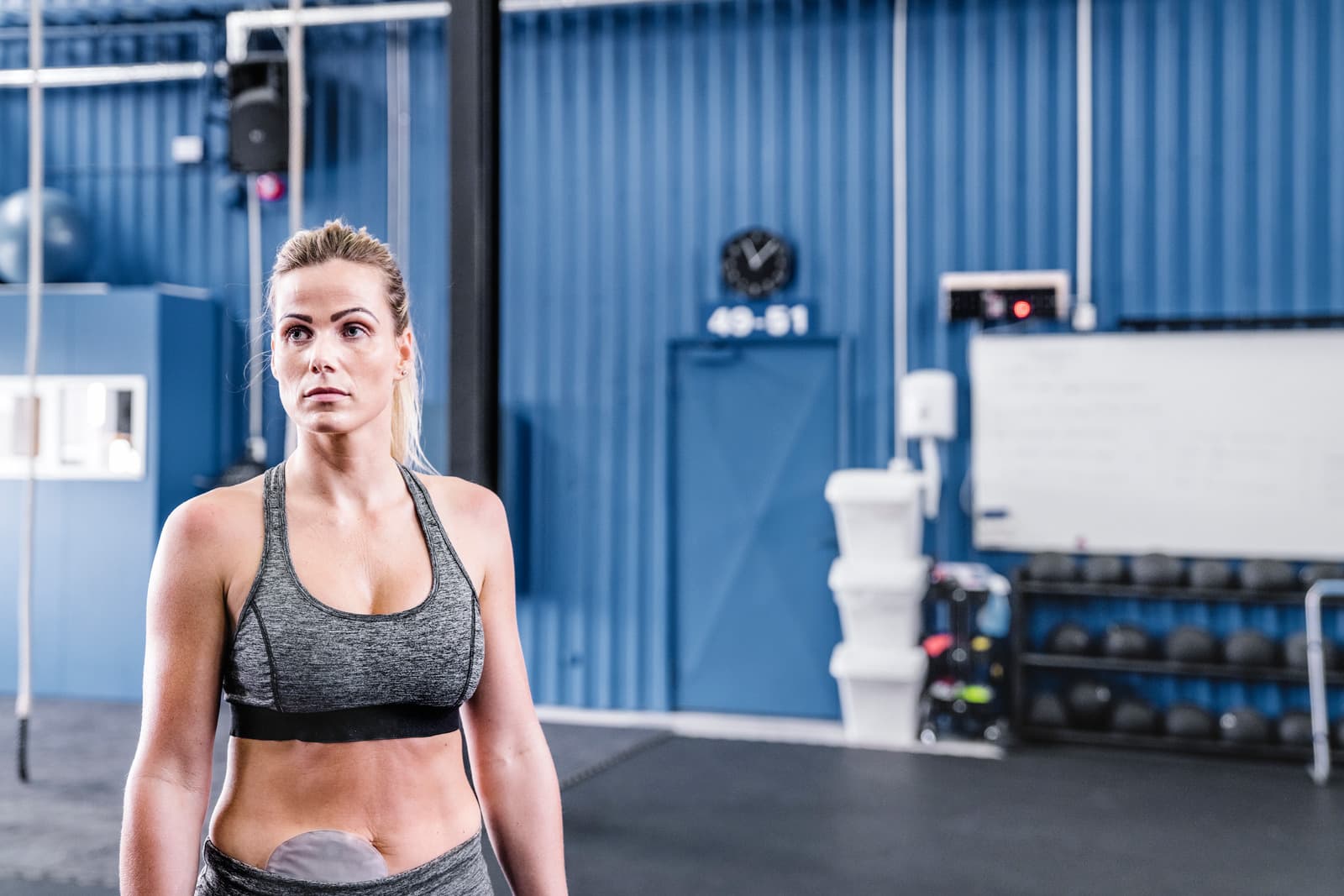
There's nothing better than being outdoors in summer. The weather's good, the days are long, and there's proper motivation to actually get outside. So why not use it as a reason to get moving? In this guide, we'll cover what to do right after surgery, how to build your strength back up, and the different ways you can move your body this summer, from walking to swimming to yoga.
Stoma-friendly summer recipes: Meal ideas to enjoy
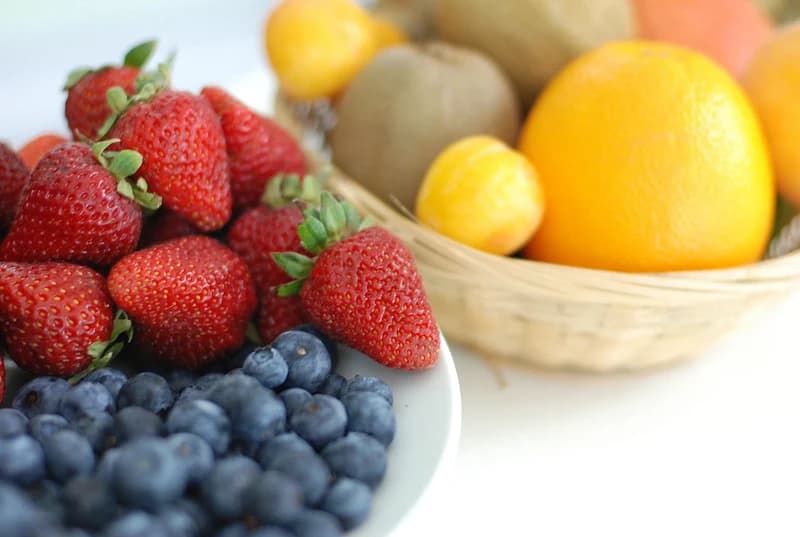
Summer offers an abundance of fresh foods: colourful fruits and vegetables, outdoor meals, and social eating occasions. It may feel a bit tricky for ostomates to know what to eat. You may find yourself questioning whether each food will cause discomfort or affect your pouch security, for example. This guide helps you understand which foods work best for your body and how to prepare them appropriately.
Summer with an ostomy: Your guide to BBQs, picnics and foods to enjoy
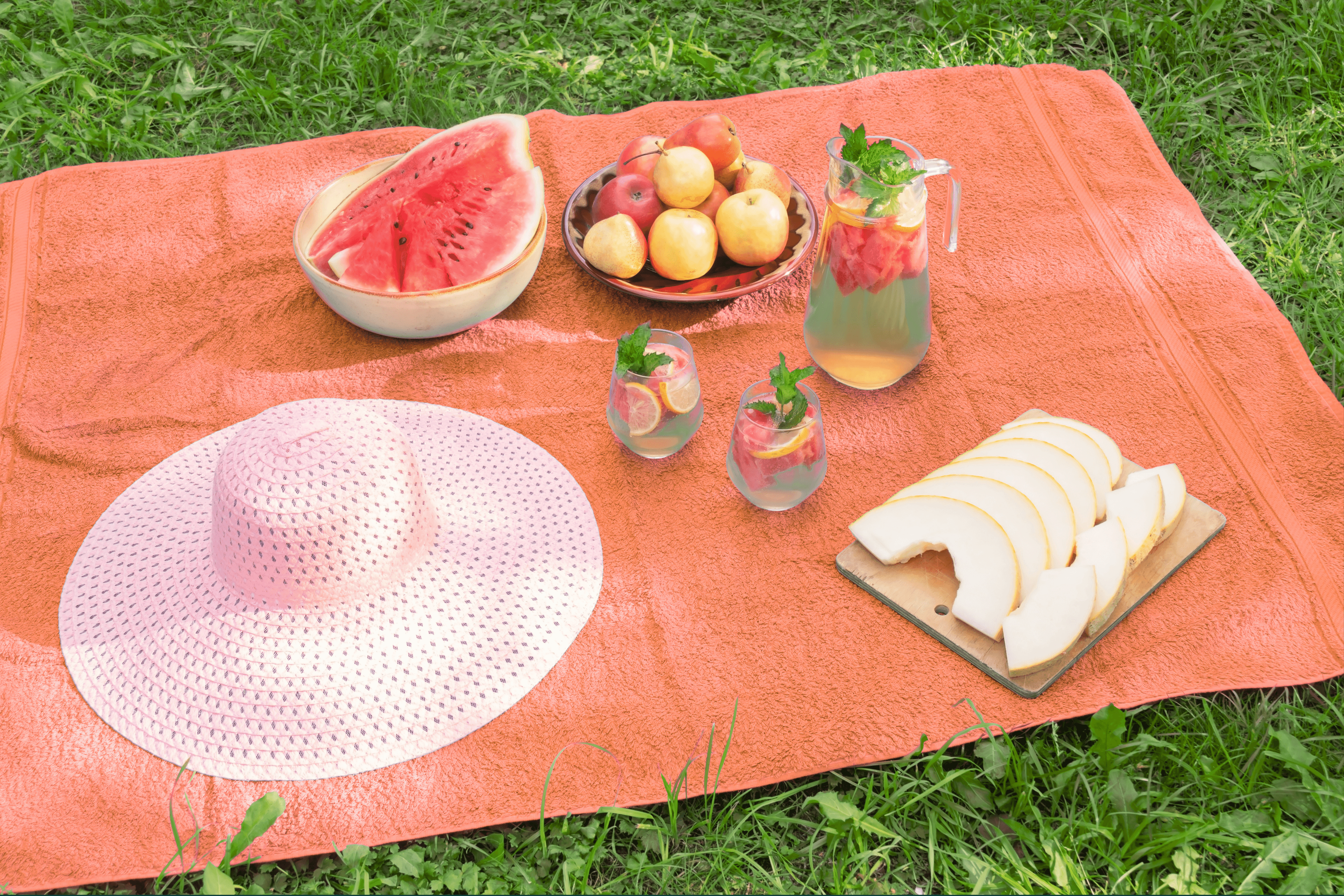
Summer is right around the corner, and it's time to reclaim those moments that matter, be it a relaxed afternoon at a friend's BBQ, a lazy picnic by the water, or simply enjoying meals without overthinking every choice. With a bit of knowledge and preparation, you can eat almost everything you enjoyed before your surgery. This guide will help you navigate ostomy-friendly eating during summer, so you can focus on what really matters: spending time with the people you love.