



Constipation with a stoma: Causes and remedies
Constipation is something many people with a stoma experience at some point. For some, it may only happen occasionally, while for others it can be more frequent.
Read articleGet free help & advice: 0800 592 786


Stoma and diarrhoea often go hand in hand, and it can affect anyone regardless of stoma type. Loose, watery output makes changing your stoma bag more difficult, can leave you feeling unwell, and increases the risk of losing vital fluids. It often means changing your ostomy bag more frequently, going through supplies faster, and a higher chance of peristomal skin irritation from the increased bag changes.
If you have an ileostomy, diarrhoea can be a particular concern. Since the colon (which normally absorbs water and electrolytes from digested food) has been removed or bypassed, fluid loss through an ileostomy tends to happen faster than for those with a colostomy, which makes dehydration more likely.
The causes of diarrhoea when you have a stoma are often the same as for anyone else, including:
Illness or a stomach bug. Stress or worry. Diet. Food poisoning. Certain medications, including some antibiotics. A partial stoma blockage, which can sometimes cause loose output around the obstruction rather than a full stop in output.
However, diarrhoea and a stoma bag can be a bigger concern than usual, since staying hydrated and managing output is already part of daily life with a stoma.
Diet is one of the most common triggers of stoma diarrhoea. If you suspect diet is behind your diarrhoea and stoma bag issues, try:
Moderating your alcohol intake — it can increase output and, as a diuretic, worsen dehydration. Avoiding fatty or spicy foods or eating them in small quantities. Moderating coffee and fruit juice, as both can increase output. Eating smaller, more frequent meals rather than large ones. Keeping a simple food diary if diarrhoea keeps recurring, to help spot patterns or triggers.
You likely won't have much appetite while dealing with diarrhoea, but it's important to keep drinking fluids. If you have an ileostomy, this is especially important; you may also need extra salt to prevent rapid dehydration. Dry savoury crackers or meat extract drinks like Oxo or Bovril can help if you can't manage much food. For more information about stoma diet, feel free to refer to our respective guide.
Diarrhoea with a stoma puts you at higher risk of dehydration. Signs to watch for include:
Dry mouth. Increased thirst. Weakness or tiredness. Confusion. Fainting. A decrease in urine output. Dark-coloured urine.
To help prevent dehydration:
More frequent bag changes and looser output increase the risk of leaks reaching your peristomal skin. Check your skin at each change and consider using a barrier product if you notice any soreness. If irritation develops, speak to your stoma nurse about suitable skin care products. Speaking of stoma and skin care, here's a respective guide for you.
Diarrhoea usually settles within a day or two. Contact your stoma care nurse or healthcare professional if:
Your output shows no signs of slowing after 24–48 hours. You experience signs of dehydration. You have severe abdominal pain or cramping. You notice blood in your output. You suspect a blockage alongside the diarrhoea.
Common causes include illness, stress, diet, food poisoning, certain medications, and occasionally a partial blockage. These are largely the same triggers that cause diarrhoea in anyone without a stoma.
It can be, particularly for people with an ileostomy, since fluid and salt loss happen faster without a colon to reabsorb them. This makes dehydration a bigger risk than for the general population.
Focus on staying hydrated, adjusting your diet (avoiding alcohol, spicy or fatty food, and excess caffeine), and speaking to your stoma nurse about anti-diarrhoeal medication if needed.
If diarrhoea lasts more than 24–48 hours, you notice signs of dehydration, experience severe pain, or see blood in your output, contact your stoma nurse or GP promptly.
Constipation is something many people with a stoma experience at some point. For some, it may only happen occasionally, while for others it can be more frequent.
Read article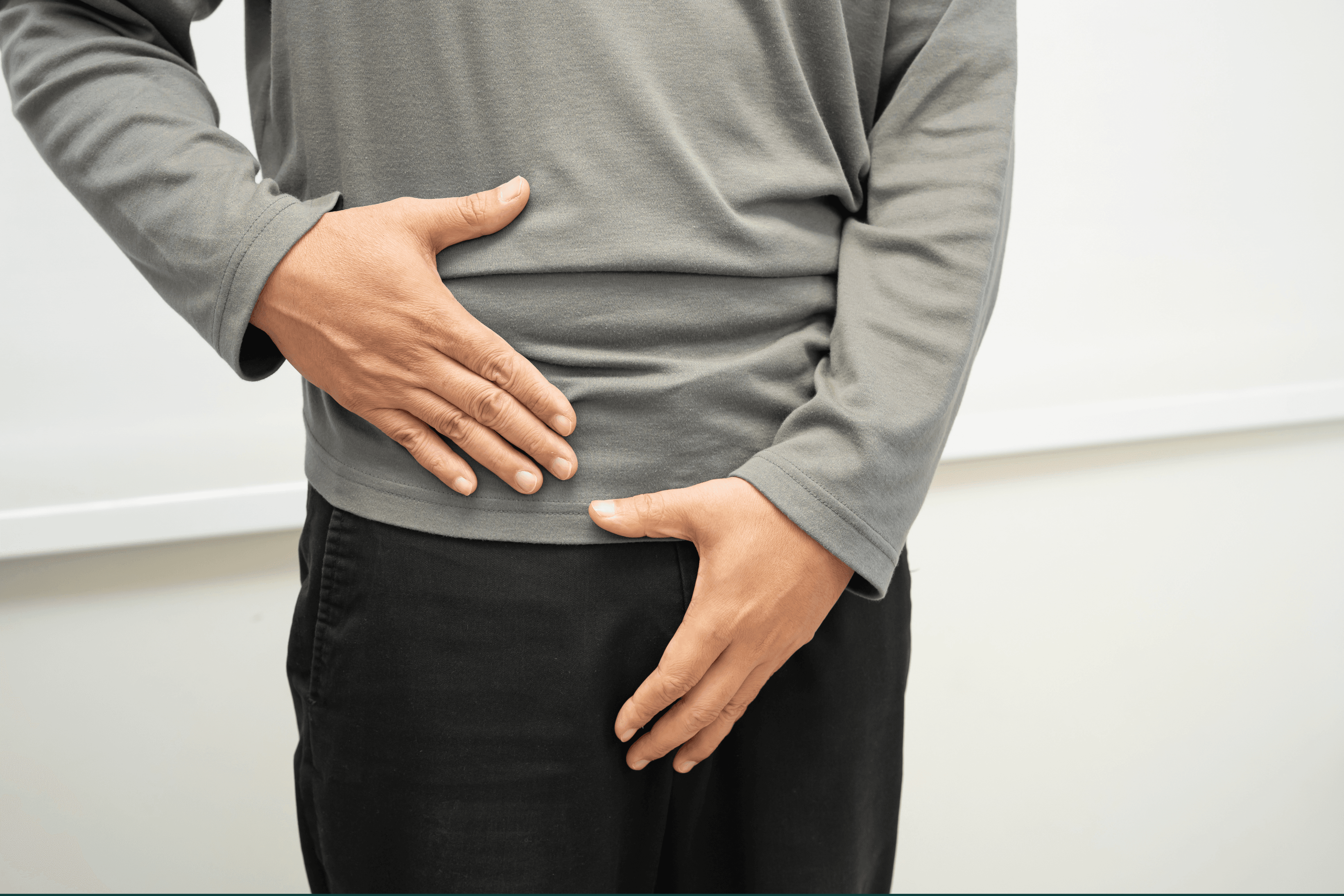
It's common for your stoma to swell or change size and shape at different points in your recovery. In this guide, we look at what causes stoma swelling, how to manage a swollen stoma day to day, and when it's worth speaking to your stoma care nurse.
Read article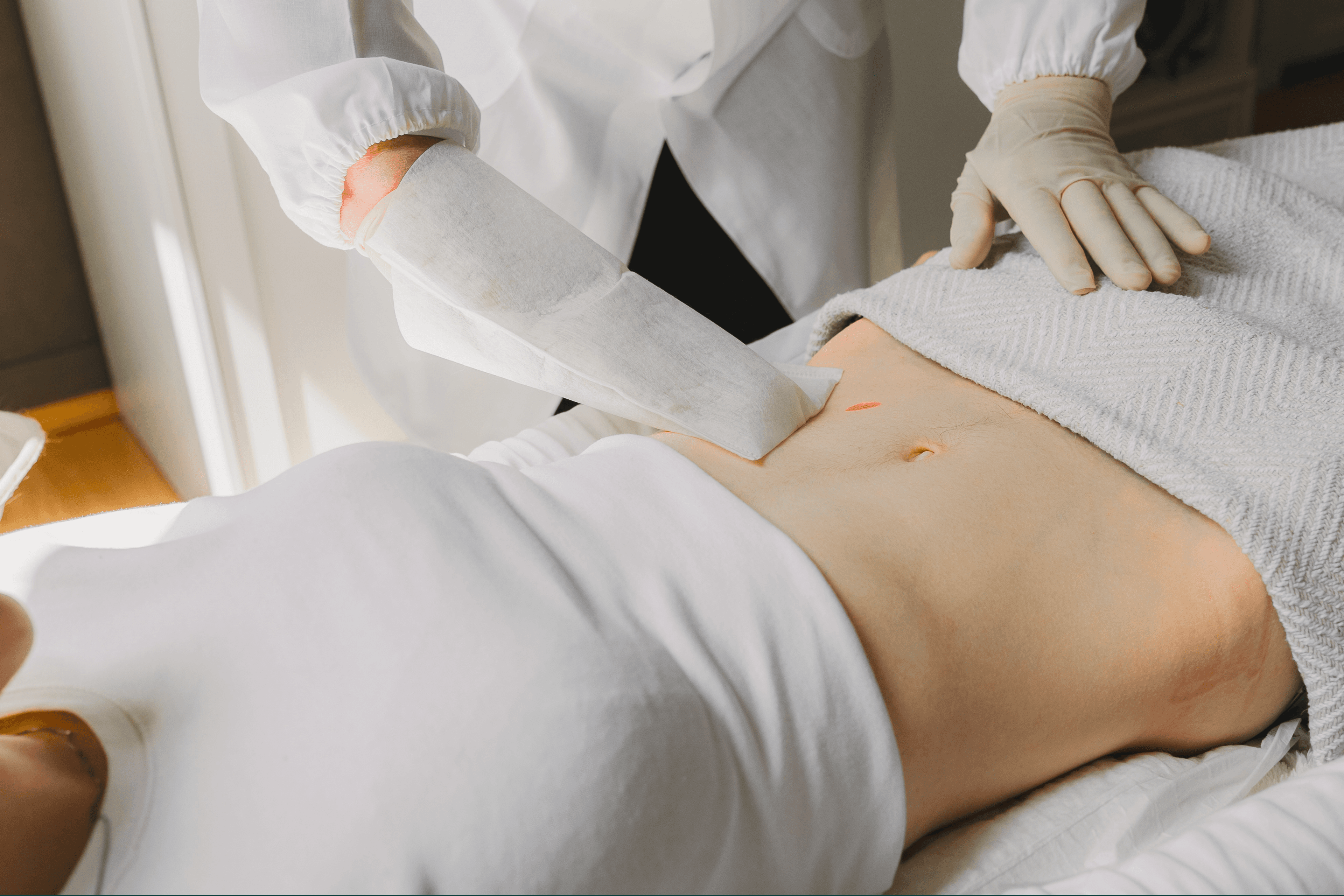
Sore, red, or itchy skin around your stoma is one of the most common issues ostomates deal with; and one of the most preventable, too. Most cases come down to output getting under the adhesive and onto your skin, but there are a few different causes, and knowing which one you're dealing with makes all the difference in how quickly it clears up. In this guide, we'll walk you through what healthy peristomal skin looks like, how to treat irritation once it's started, and how to stop it coming back.
Read article