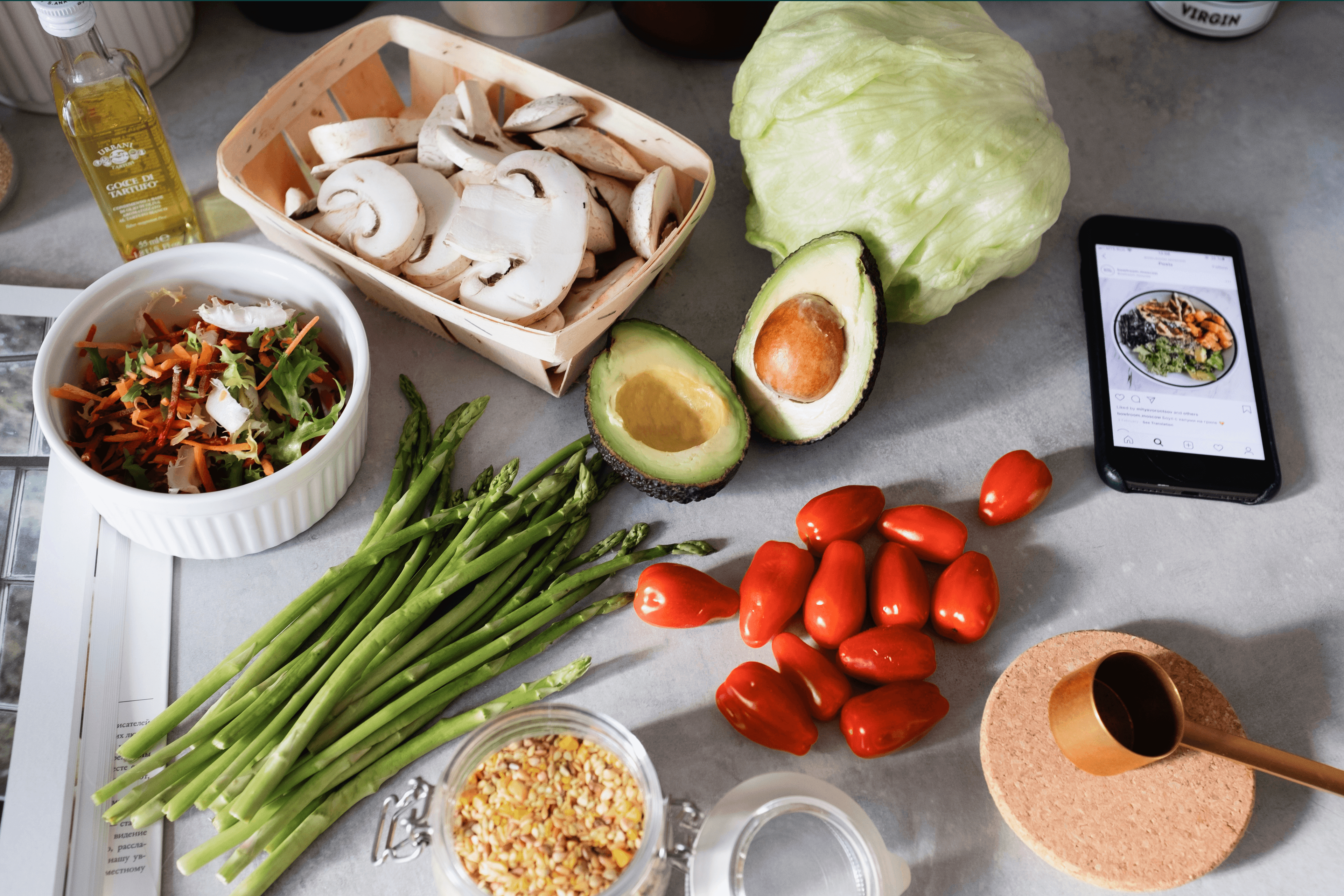
Food is one of life's simple pleasures, but figuring out a stoma diet that works for you may feel a bit confusing at first. Most ostomates, however, go on to enjoy a full and varied diet; it just takes a little patience and some trial and error to get there. This guide walks you through everything from the early days after surgery to managing tricky symptoms like loose output for you to eat with confidence.
Diet after stoma surgery: The early days
Right after your stoma surgery, your appetite may take a while to bounce back; that's completely normal. Your bowel has been through major trauma, so give it some time to settle. Many ostomates have lost weight before surgery due to illness, so this is often a stage of rebuilding strength instead of restricting.
A few things that help in those early weeks:
Eat little and often rather than forcing three big meals
Find a quiet, relaxed setting for meals; no rushing
Chew thoroughly and keep a drink nearby to aid digestion
Follow any specific protocol your surgeon or stoma care nurse gives you, since this can vary by hospital and surgery type
You'll usually come home with written guidance on what to eat and avoid. If anything's unclear, your stoma care nurse is the best person to ask.
Introduce new foods safely
Once your appetite starts to return, you can begin reintroducing foods gradually. A balanced diet of a good mix of protein, dairy (if your body allows you), carbohydrates, fruit, and vegetables helps normalise your output and build consistency.
It's completely normal to feel a bit self-conscious about noise, odour, or output consistency in these early days. As your gut settles, you'll start to learn which foods agree with you and which don't, and that's different for everyone. What upsets one ostomate's system might be totally fine for another.
A few tips for introducing new foods:
Go slowly, and chew thoroughly
Start with small portions of anything new
Keep a simple food diary
Track how your output responds before trying the next new food
Foods to eat with a stoma
Once you're fully recovered (and unless a healthcare professional has told you otherwise), most food groups can go back on the menu. Living with a stoma doesn't mean missing out on food you enjoy, though some ostomates, especially those with an ileostomy, find they need to adjust certain habits since some foods can loosen output.
To support healing, it also helps to boost your calorie, fat, and protein intake in the weeks after surgery:
Full-fat milk and cheese
Double cream, stirred into soups, mash, or puddings
Biscuits and cakes as snacks
Protein-rich foods daily: fish, tender meat, eggs
Regular fluids to stay well hydrated
For an everyday balanced plate, aim to include:
Protein: meat, fish, beans, lentils, eggs, cheese, milk, or yoghurt
Dairy two to three times a day for calcium (or fortified dairy-free alternatives like soya, almond, coconut, or oat milk)
If you're underweight, healthy fats are especially important: olive oil in cooking, butter in mash, oily fish twice a week for omega-3s
Foods to avoid with a stoma
Some foods are harder to digest and can risk a blockage, especially for people with an ileostomy, as they pass through undigested. Worth keeping a list of these:
Fruit and raw vegetables with the skin on (apples, cucumber)
Seeds and nuts
Sweetcorn and popcorn
Dried fruit
Wholegrains and muesli
Fibrous vegetables, like Chinese greens
In the early weeks especially, it's often easier to stick with light, easily digestible meals: nothing too spicy, high in fat, or high in fibre. If a food caused problems before surgery, it's worth avoiding it for now too, and reintroducing it later to see how your body responds.
It's also useful to know a few other food-related effects:
Every stoma is different, and what suits an ileostomy won't always suit a colostomy or urostomy, so it helps to see what a balanced day can look like for each. These are just starting templates; your own tolerances will shape what works best for you.
Sample ileostomy diet menu
Because output passes through less of the bowel, it's worth favouring well-cooked, low-fibre foods and steering clear of skins, seeds, and tough fibrous bits, especially in the early weeks.
Breakfast: Scrambled eggs on white toast, plus a glass of fortified milk
Lunch: Well-cooked chicken with white rice and peeled, well-cooked carrots
Dinner: Grilled fish with mashed potato and a small portion of well-cooked courgette
Snacks: Smooth yoghurt, a few rice cakes with smooth peanut butter, or a ripe, mashed banana
Sample colostomy diet menu
As for colostomy, if you're not sure where to start; here's a simple colostomy diet menu to give you an idea of a balanced day once you're back to a fuller diet:
Breakfast: Scrambled eggs on white toast, plus a glass of fortified milk
Lunch: Chicken and rice with well-cooked vegetables, banana for dessert
Dinner: Grilled fish, mashed potato, and a small portion of well-cooked carrots
Snacks: Yoghurt, a slice of banana bread, or a few rice cakes with smooth peanut butter
Sample urostomy diet menu
With a urostomy, a normal balanced diet usually works well; the main focus is staying well hydrated and being mindful of foods that can make urine smell stronger.
Breakfast: Porridge with a splash of milk and a few slices of banana
Lunch: Turkey sandwich on white bread with a side salad
Dinner: Roast chicken with boiled potatoes and steamed green beans
Snacks: A glass of water or diluted juice alongside plain crackers or a small yoghurt
Bear in mind that all three of these are just starting templates. Your own tolerances will shape what works best for you.
Want to learn more about the topic of ostomy and food? Here are more guides for you:
If your output suddenly becomes looser or waterier, it can be unsettling; but it's usually pretty manageable once you know the cause. Some common triggers that’ll cause a watery stoma output are:
Too many green vegetables or beans
Fruit juice or fruit itself
Spicy food
Alcohol
Medication, a stomach bug, or even stress
If your output changes and lasts longer than 48 hours, it's worth flagging to your stoma nurse.
There are also a few practical steps if output turns loose:
If you use a closed colostomy bag, consider switching to a drainable one; it's easier to manage and reduces skin irritation from frequent changes
Try foods with a natural thickening effect: white bread, pasta, mashed potato, marshmallows or jelly babies, jelly, ripe bananas, apple sauce, rice cakes, banana bread, smooth peanut butter, sponge cake, or rice pudding
Ask your stoma care nurse about anti-diarrhoeal which can slow output and add a thickening effect; they’re available in capsule, liquid, or melt form. Your nurse will guide you on the right dose. Never take medicine without consulting to a healthcare professional.
Consider a thickening agent that goes directly into your bag like a sachet or capsule that gels the output to make it easier to manage and less prone to leaks. If you're using a drainable bag, remember to top this up each time you empty it.
Staying hydrated
Loose output or diarrhoea can dehydrate you quickly, so it's worth knowing the warning signs:
Dry mouth
Increased thirst
Weakness or tiredness
Confusion
Fainting
Reduced urine output
To stay ahead of dehydration:
Aim for around 8 glasses of fluid a day
Cut back on salty foods
Avoid full-sugar fizzy drinks, or let them go flat first
If diarrhoea continues for more than 24 hours, get in touch with your stoma nurse for advice.
Most output changes settle with a few dietary tweaks, but reach out to your stoma care nurse if:
Output changes last longer than 48 hours
Diarrhoea continues beyond 24 hours
You notice signs of dehydration that aren't improving
You're unsure which foods are causing the issue
FAQ: Stoma and diet
What foods should I avoid with a stoma?
In the early weeks especially, it's best to avoid foods that are hard to digest or risk a blockage — things like nuts, seeds, sweetcorn, popcorn, dried fruit, wholegrains, and fruit or vegetables with the skin left on. Spicy, high-fat, or high-fibre foods are also easier to avoid until your gut has settled.
What foods can I eat with a stoma?
Once you're fully recovered, most food groups can go back on the menu. A balanced mix of protein, dairy, carbohydrates, fruit, and vegetables is the goal — just introduce anything new gradually and in small amounts so you can see how your body responds.
How do I control watery stoma output?
Loose or watery output often responds well to thickening foods like white bread, pasta, mashed potato, rice pudding, or ripe bananas. Switching to a drainable bag can also help if you have a colostomy, and your stoma nurse can advise on anti-diarrhoeal medication if diet changes alone aren't enough.
What does a typical colostomy diet menu look like?
There's no single menu that works for everyone, but a balanced day might include eggs on toast for breakfast, chicken and rice for lunch, and grilled fish with mashed potato for dinner — built around foods you already know you tolerate well.
How long should I wait before introducing new foods after surgery?
There's no fixed timeline — it depends on your recovery and your surgeon or stoma nurse's guidance. Once your appetite starts returning to normal, you can begin introducing new foods slowly, one at a time, watching how each one affects your output.
When should I speak to my stoma nurse about diet issues?
Reach out if output changes last longer than 48 hours, if diarrhoea continues beyond 24 hours, or if you notice signs of dehydration like dizziness, dry mouth, or reduced urine output that aren't improving.
Adjusting to life with a stoma often means rethinking your relationship with food and not because you need to follow a strict diet forever, but because certain foods are more likely to cause blockages, gas, odour, or looser output. The good news is that most of this settles down with time, and very few foods are off-limits permanently. In this guide, we'll walk you through which foods to be cautious with, why they cause problems, and how to reintroduce them safely as your body adjusts.
Coping with flu and sickness with a stoma: What you need to know
Having a stoma doesn't make you any more (or less) likely to catch a cold, the flu, or a stomach bug; but it can change how your body handles them, and how you manage your day-to-day routine while you're feeling unwell. Knowing what to expect makes dealing with sickness with a stoma much less stressful and helps you recover comfortably without unnecessary worry.
Constipation is something many people with a stoma experience at some point. For some, it may only happen occasionally, while for others it can be more frequent.