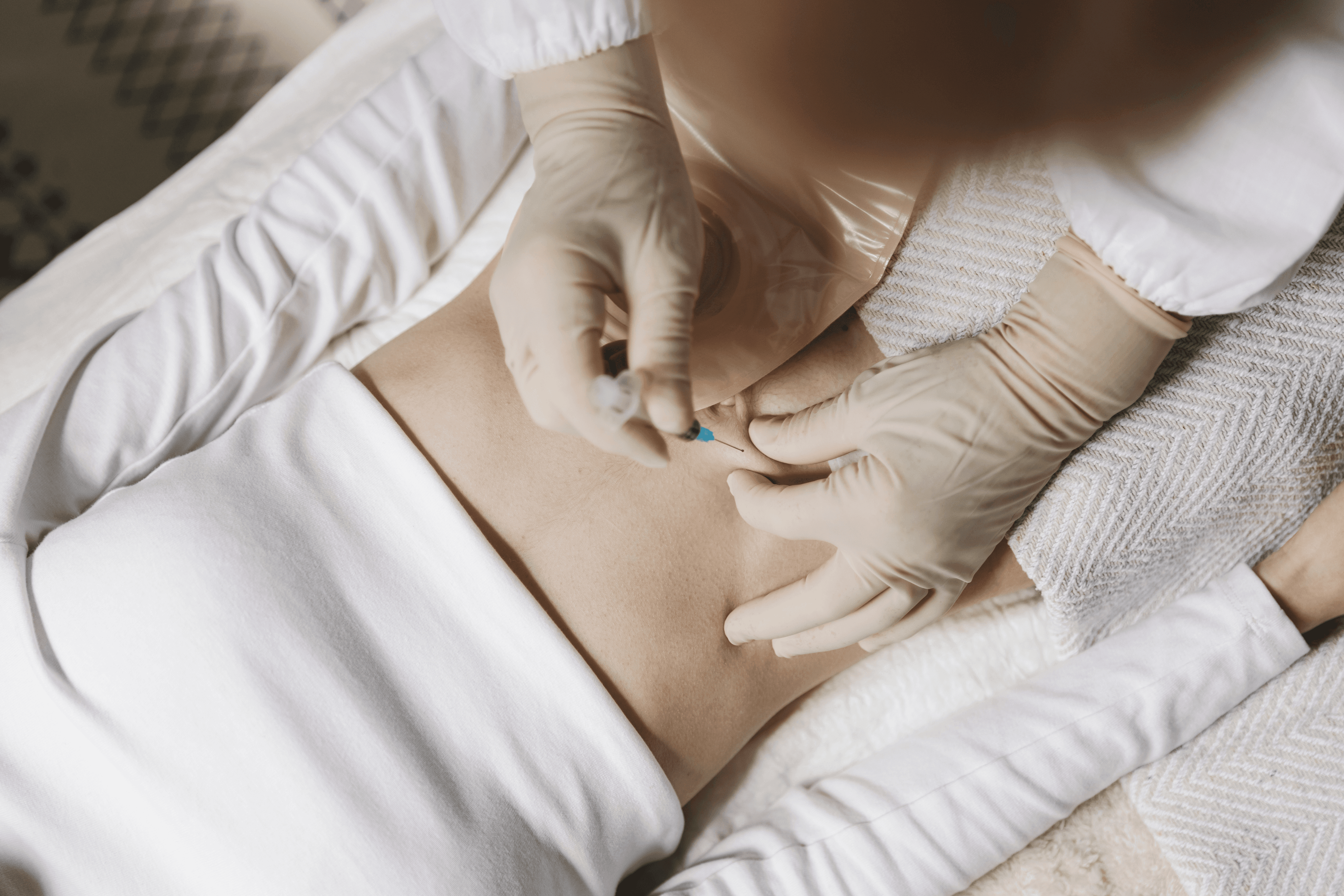
Painful stoma: What could be causing it, and when to worry
Experiencing stoma pain can be quite unsettling, especially while you're still trying to find your feet after surgery. In this guide, you'll learn about the most common causes of stoma pain, how to tell ordinary discomfort from something that needs urgent attention, and what you can do to feel more comfortable day to day.
Common causes of stoma pain
Most people with a stoma will run into some minor discomfort at one point or another and understanding what's behind it makes it far easier to sort out. Leakage are one of the most frequent stoma issues: if the aperture of your appliance doesn't sit snugly around your stoma, output can seep under the flange and onto your skin, which irritates quickly and often causes a stinging or burning sensation rather than a dull ache.
Ulcers can also develop around the stoma or beneath the appliance, sometimes linked to an underlying condition, certain medications, or the appliance itself. Granulomas (small, raised, red bumps that form around the stoma) are also common; they're usually harmless but can be tender to the touch and bleed easily during cleaning, which can loosen your appliance's adhesive and lead to stoma leakage.
Constipation is another common source of discomfort, especially for those with a colostomy, and tends to come with stomach cramping alongside hard, difficult stools. A high-fibre diet, plenty of fluids, and gentle movement usually help, though it's worth checking whether any medications you're taking could be contributing. If constipation drags on for more than two or three days, it's time to speak with your stoma care nurse or GP.
Muscle pain and pain during activity
It's also common to notice discomfort around your stoma during exercise, lifting, or other activity, especially in the weeks and months after surgery while your abdominal muscles are still recovering. This may feel like a pulling or aching sensation instead of a sharp pain, and it can be a sign of muscle strain or, in some cases, an early parastomal hernia. Wearing a supportive garment and easing back into activity gradually can make a difference, but if the discomfort is persistent or worsening, it's worth getting it checked instead of pushing through.
Retracted stoma, stenosis, and prolapse
A retracted stoma sits below skin level and can happen with a urostomy, ileostomy, or colostomy, often linked to how the stoma was formed, your weight, or the shape of your abdomen. It can cause leakage and usually needs your stoma nurse to reassess which appliance suits you best, sometimes moving to a convex product. Stenosis, where the stoma becomes tight and narrow, tends to change your output to something ribbon-like or watery, and may need gentle dilation or laxatives to keep things moving comfortably.
A prolapsed stoma, where the stoma extends further than usual, is more common with loop ileostomies and can be triggered by a weakened abdominal wall, weight gain, pregnancy, or sudden strain such as heavy lifting. If this happens, contact your stoma nurse so they can check it isn't becoming obstructed, that it's still working properly, and that the colour looks healthy. You'll likely need a larger appliance to accommodate the change.
A parastomal hernia develops when part of the intestine bulges through weakened muscle behind the stoma, usually visible as a lump or swelling. As it grows, it can pull the stoma out of shape and make your appliance harder to seal properly. Many people describe a dull ache or dragging feeling, especially later in the day or after the stoma's been particularly active. Your stoma nurse can assess it and may fit you with a support garment to ease the strain.
When stoma pain signals a blockage (and when it's an emergency)
Stoma pain is sometimes a sign that things aren't moving through as they should. A partial or complete stoma blockage can happen when certain foods are hard to digest, or when scar tissue or adhesions narrow the bowel. You'll usually notice your output slowing right down or turning watery, alongside cramping abdominal pain that builds in waves.
For milder blockages, stopping solid food, drinking plenty of fluids (warm drinks can help), taking a warm bath, and gently massaging your tummy or drawing your knees to your chest can sometimes ease things along. But a blockage that isn't resolving can become genuinely dangerous, so it's important to know the warning signs of a medical emergency:
No output at all (no stool or gas) for several hours
Severe or worsening abdominal pain
A swollen, hard abdomen
Persistent nausea or vomiting
Fever, chills, or a racing heartbeat
Left untreated, a complete blockage can lead to bowel perforation or infection, so if you notice these signs, seek emergency medical attention rather than waiting to see if it settles.
Pain after stoma surgery and reversal
Some tenderness after stoma formation is entirely normal, and for most people the sharpest post-surgical pain eases within the first couple of weeks, with things continuing to settle over the following month or two. Discomfort around movement or when your pouch fills is expected in this early period. What isn't normal is pain that's getting worse instead of better, or pain combined with fever, swelling, or no output; that's your cue to get in touch with your care team.
If you go on to have a stoma reversal, some discomfort afterwards is normal too, though it's usually milder and shorter-lived than the original surgery. What tends to surprise people more is how the bowel behaves in the weeks that follow, with more frequent, urgent trips to the toilet and some cramping as everything adjusts. This generally settles over weeks to months, but severe pain or concerns about healing should always go to your surgical or stoma team.
When to speak to your stoma nurse about stoma pain
Pain is your body telling you something needs attention. Whether it's a leak causing sore skin, a granuloma that keeps bleeding, or discomfort you can't quite explain, your stoma care nurse or GP is the right person to help you get to the bottom of it and find some relief.
FAQ: Pain with stoma
What can cause pain around my stoma?
Quite a few things, and most are fixable once you know what's going on. A poorly fitted appliance is the usual suspect; if the aperture doesn't sit snugly around your stoma, output can leak under the flange and irritate the skin underneath, which stings more than you'd expect. Beyond that, granulomas (small, harmless but sometimes tender bumps), constipation, a parastomal hernia, or a stoma that's become retracted or prolapsed can all bring on discomfort. Occasionally it's a sign of a blockage, which needs quicker attention. If anything feels off, your stoma care nurse is the best person to help you pin down the cause.
Why does my stoma burn?
That burning sensation is almost always your skin, not the stoma itself, reacting to something. The most common culprit is output making contact with the skin around your stoma; even a small leak can cause a surprisingly sharp, stinging feeling within minutes. It can also happen if your appliance doesn't fit quite right, if you're sensitive to the adhesive, or if the skin's become sore from over-cleaning. Checking your baseplate fit and giving the area a rest with a barrier product usually helps but if the burning doesn't ease up, it's worth getting your stoma nurse to take a look, just in case there's an infection brewing.
How long does it take for pain to go away after stoma surgery?
Everyone heals at their own pace, but as a general guide, most people notice the sharper surgical pain easing within the first couple of weeks, with things continuing to settle over the following month or two. Your abdomen has been through major surgery, so some tenderness, especially around movement or when your pouch fills, is completely normal in the early weeks. What's not normal is pain that's getting worse rather than better, or pain paired with fever, swelling, or no output; that combination is your cue to contact your care team rather than wait it out.
Is stoma reversal surgery painful?
Some discomfort afterwards is normal (you've had another operation, after all) but it tends to be milder and shorter-lived than the original stoma surgery for most people. What catches people off guard more than the wound pain is how your bowel behaves in the weeks after: frequent, urgent trips to the loo and some cramping are common as everything readjusts to working the "usual" way again. This usually settles with time, though it can take weeks to months to feel fully normal. As always, if pain is severe or you're worried about how things are healing, don't sit on it; speak to your surgical or stoma team.
Stoma necrosis is a serious but thankfully uncommon complication that can affect a stoma. In this guide, you'll learn what causes it, when it tends to happen, how to recognise it, and what treatment usually looks like.
Stoma prolapse, retraction and stenosis: Early warning signs and clinical management
Stoma prolapse, retraction, and stenosis are common complications that can affect the quality of life for individuals with a stoma. Each condition has its own set of causes, symptoms and ways of managing the complications. Understanding the early warning signs is important for you to maintain comfort and health with a your stoma. Contact with your Stoma Care Nurse who can help address issues swiftly and prevent further complications.
The first 6 months after stoma surgery: What should you expect?
Having stoma surgery is a major life event and can take quite a bit of adjusting to. Whether your stoma was planned or created during an emergency surgery, the first few months involve healing both physically and psychologically. It is important to note that your recovery from stoma surgery is not a race. Your experience will depend on the type of stoma you have, why you needed surgery, whether the operation was planned or emergency, and your general health. We all heal at our own pace.